


Mentoring in the Florida Keys: Students Supporting Children of Migrant Workers

Developing empathy, cultural awareness, and scientific communication skills while making a meaningful difference in vulnerable communities represents one of the most powerful educational experiences available to students. Service learning opportunities that combine marine science education with mentoring children of migrant workers in the Florida Keys create transformative experiences that benefit both student mentors and the families they serve.
Understanding the unique challenges faced by migrant worker families in the Florida Keys: from educational disruption to language barriers: enables students to develop crucial life skills while applying their scientific knowledge in real-world contexts. This approach to educational travel transforms traditional field studies into comprehensive learning experiences that emphasize both academic excellence and social responsibility.
The Educational Foundation of Service Learning
Service learning integration within marine science expeditions provides students with opportunities to apply classroom knowledge while addressing genuine community needs. Research consistently demonstrates that students engaged in meaningful service learning experiences show increased academic performance, enhanced critical thinking skills, and improved cultural competency compared to their peers in traditional classroom settings.
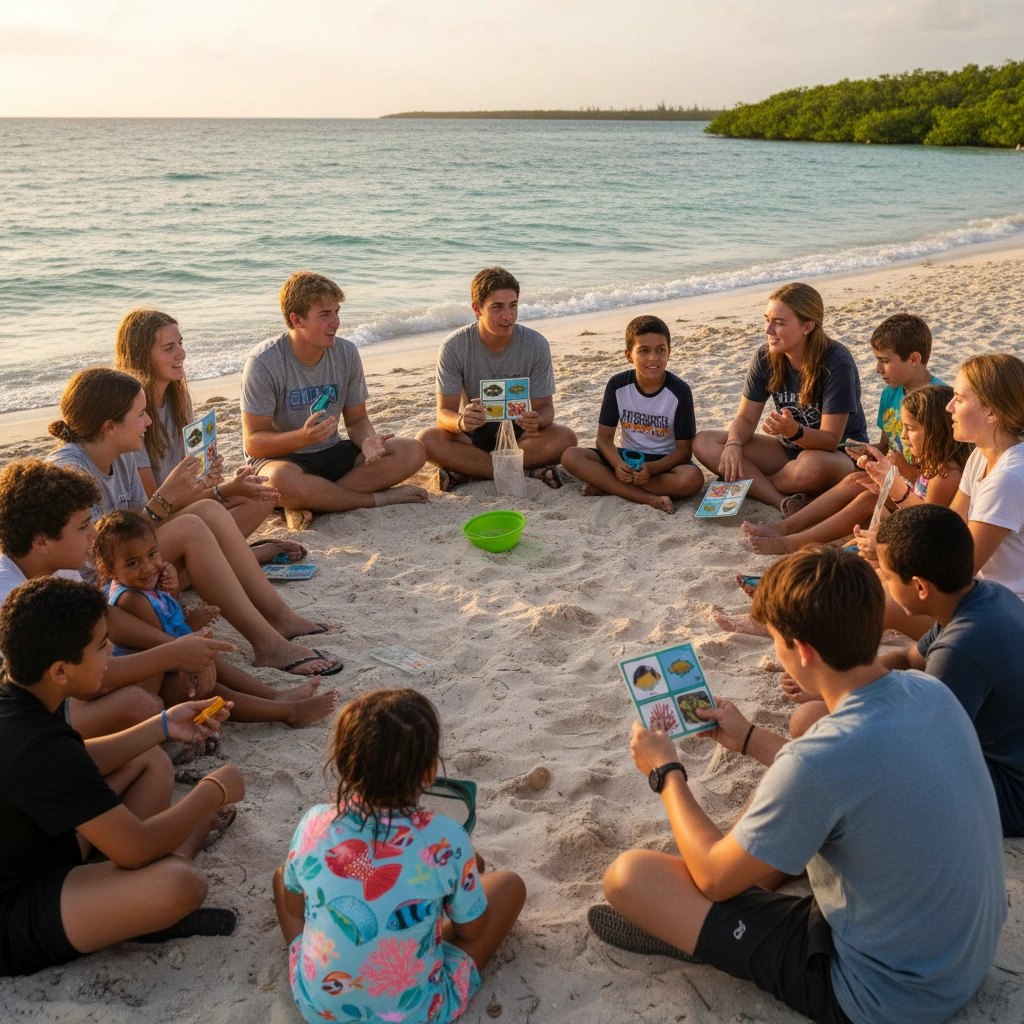
The Florida Keys present a unique laboratory where students can explore complex ecological relationships while simultaneously engaging with diverse communities that depend on these ecosystems for their livelihoods. Migrant worker families, many employed in the region's fishing and hospitality industries, face significant educational challenges including frequent school transitions, limited English proficiency, and reduced access to academic support resources.
Establishing mentoring relationships allows your students to practice scientific communication, develop leadership capabilities, and gain deeper understanding of environmental justice issues. These experiences create lasting impacts that extend far beyond traditional academic metrics, fostering global citizenship and environmental stewardship that students carry throughout their lives.
Understanding the Migrant Worker Community Context
Migrant worker families in the Florida Keys face substantial barriers to educational success, with children experiencing frequent school disruptions, cultural adaptation challenges, and limited access to academic enrichment opportunities. The seasonal nature of employment in fishing, agriculture, and tourism creates instability that directly impacts educational continuity for these families.
Take Stock in Children operates mentoring programs throughout Monroe County, providing one-on-one support through caring volunteer mentors who help students access educational opportunities and scholarships. The Keys Immigrant Coalition works specifically within the Florida Keys to raise awareness of immigrant issues and advocate for dignity, safety, and inclusion of all residents.
Your students can contribute meaningfully to existing support networks by sharing their scientific knowledge, English language skills, and academic experiences with children who may have limited exposure to higher education opportunities. This peer-to-peer mentoring creates authentic relationships that benefit both communities while addressing real educational needs.
Marine Science as a Universal Language
The Florida Keys marine ecosystem provides an ideal backdrop for cross-cultural learning experiences where scientific concepts transcend language barriers. Students can share their knowledge of coral reef systems, seagrass meadows, and mangrove forests through hands-on activities that engage children regardless of their English proficiency level.
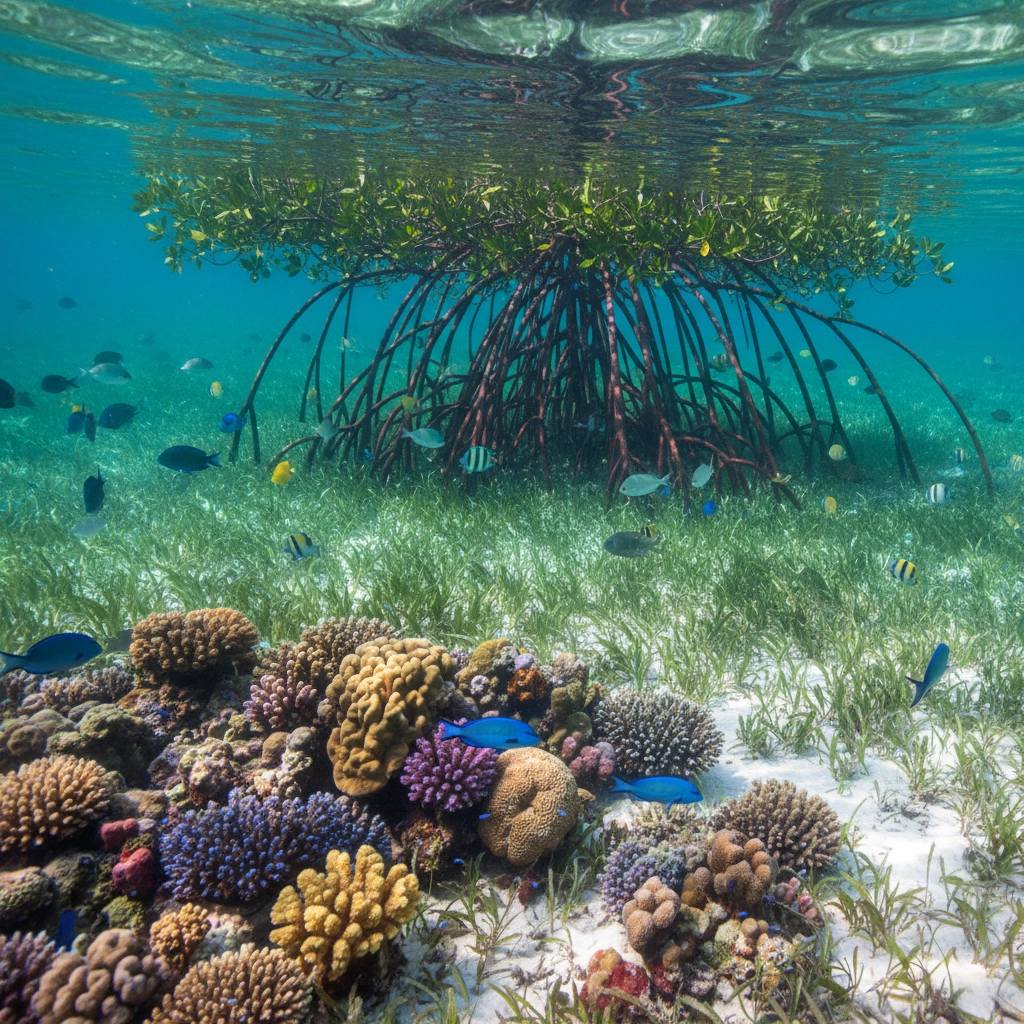
Begin by developing simple scientific demonstrations that illustrate key ecological concepts. Coral polyp feeding behaviors, mangrove root adaptations, and seagrass photosynthesis processes can be demonstrated through visual models and interactive activities that require minimal language explanation. These shared scientific experiences create common ground for building relationships between student mentors and migrant worker children.
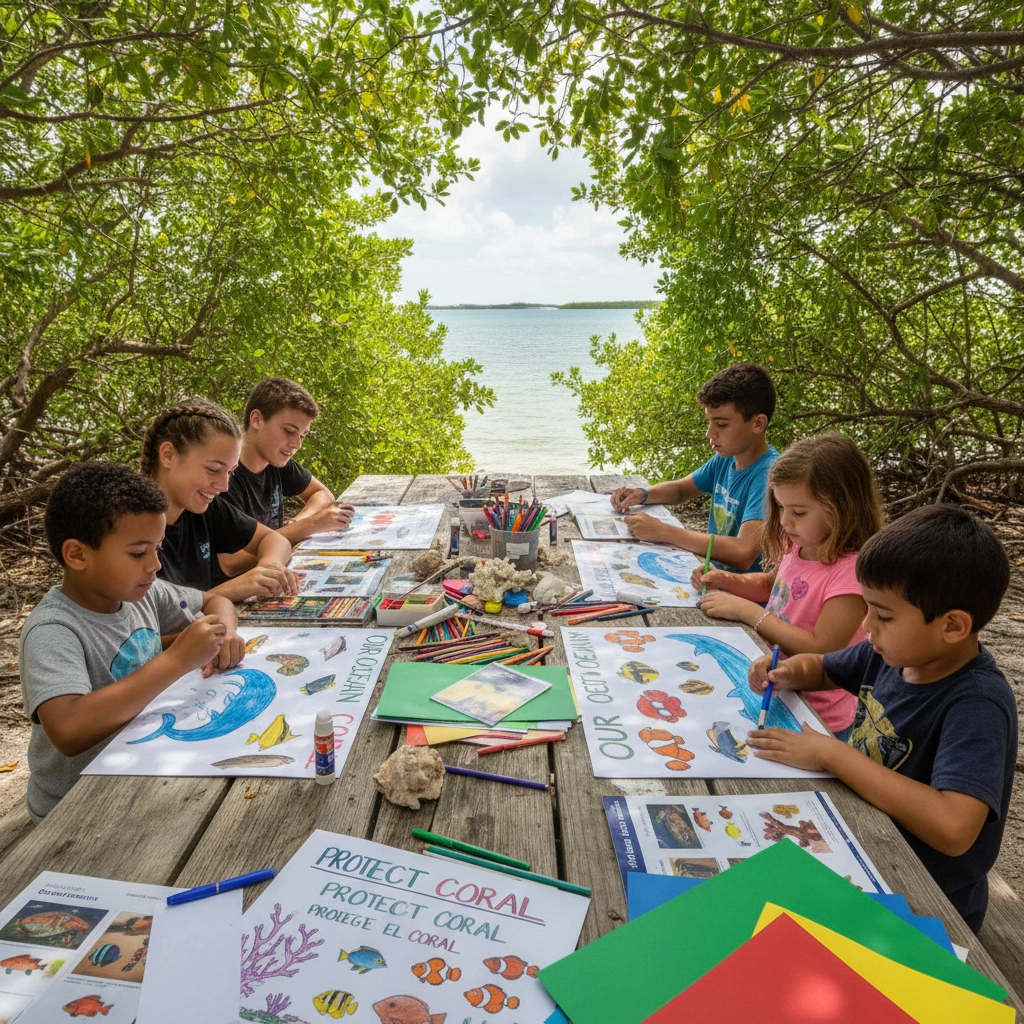
Encourage your students to prepare bilingual educational materials that explain marine conservation concepts in both English and Spanish. This preparation process enhances your students' own understanding while creating valuable resources for the families they serve. Focus on concepts that connect directly to local livelihoods, such as sustainable fishing practices, coral reef health indicators, and water quality monitoring.
The interdependent relationship between coral reefs, seagrass beds, and mangrove systems provides excellent opportunities for collaborative learning projects. Student mentors can work with local children to create ecosystem maps, conduct simple water quality tests, or document wildlife observations that contribute to ongoing conservation efforts.
Implementing Effective Mentoring Programs
Establish clear objectives for your mentoring program that align with both educational goals and community needs. Contact existing organizations such as Take Stock in Children and Keys Immigrant Coalition to identify appropriate partnership opportunities and ensure your program complements rather than duplicates existing services.
Prepare your students thoroughly before engaging with migrant worker families. Provide cultural sensitivity training that addresses potential language barriers, economic disparities, and cultural differences that may impact mentoring relationships. Emphasize the importance of respect, patience, and active listening skills in creating successful mentoring partnerships.
Create structured activities that combine marine science education with practical skill development. Consider implementing the following program components:
Scientific Communication Workshops: Train your students to explain complex scientific concepts using simple language, visual aids, and hands-on demonstrations. Practice sessions should focus on key marine ecosystem concepts that local children can observe in their daily environment.
Bilingual Resource Development: Encourage students to create educational materials in both English and Spanish, including field guides to local marine life, conservation activity booklets, and simple scientific experiment instructions that families can use independently.
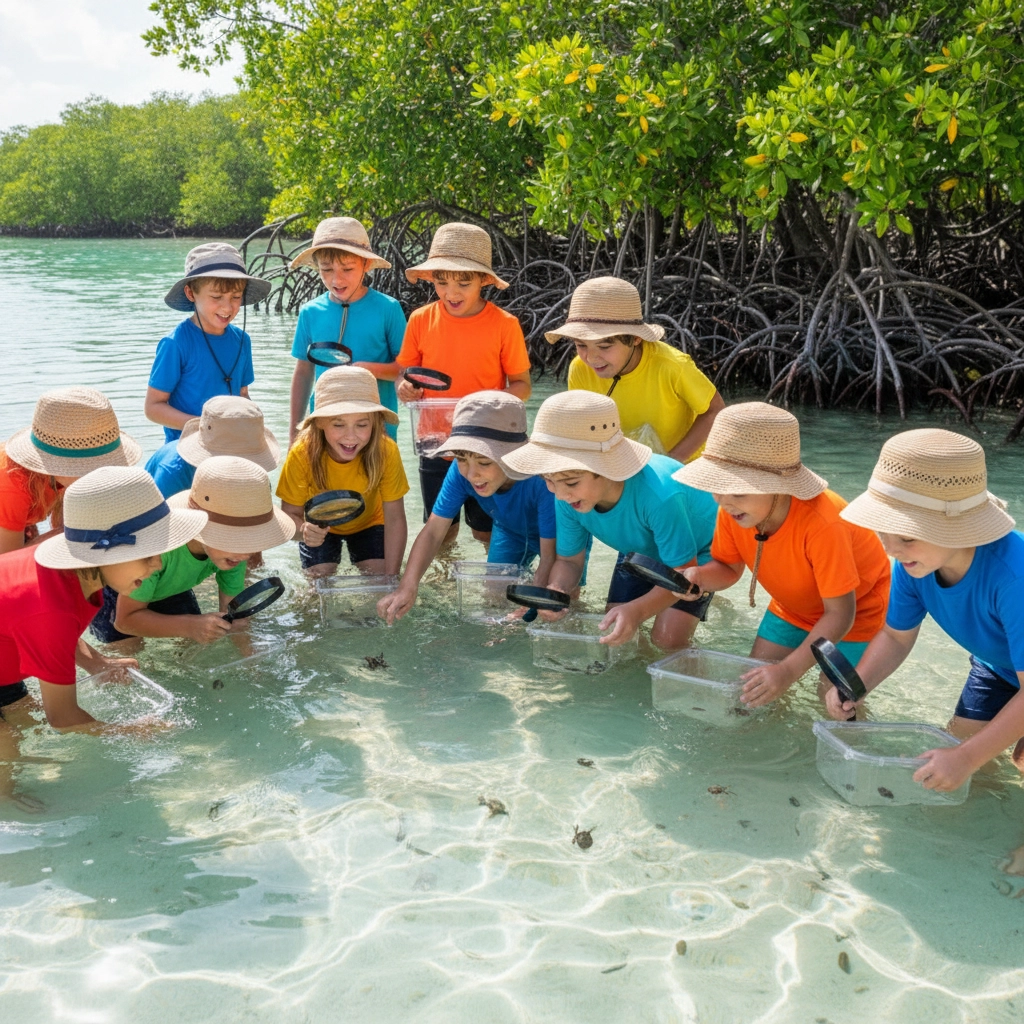
Collaborative Research Projects: Design age-appropriate citizen science activities where student mentors and local children work together to collect data on coral health, seagrass distribution, or bird populations. These projects provide authentic scientific experiences while building meaningful relationships.
Cultural Exchange Activities: Facilitate opportunities for students to learn about the cultural backgrounds and experiences of migrant worker families, promoting mutual understanding and respect that enhances the mentoring relationship.
Maximizing Educational Benefits
Document the learning outcomes for both student mentors and the children they serve to demonstrate program effectiveness and secure continued support. Implement pre- and post-program assessments that measure changes in scientific knowledge, cultural competency, and communication skills among participating students.
Encourage reflection throughout the mentoring experience by requiring students to maintain detailed journals documenting their interactions, challenges encountered, and lessons learned. These reflections serve as valuable tools for program improvement and help students process the significance of their service learning experience.
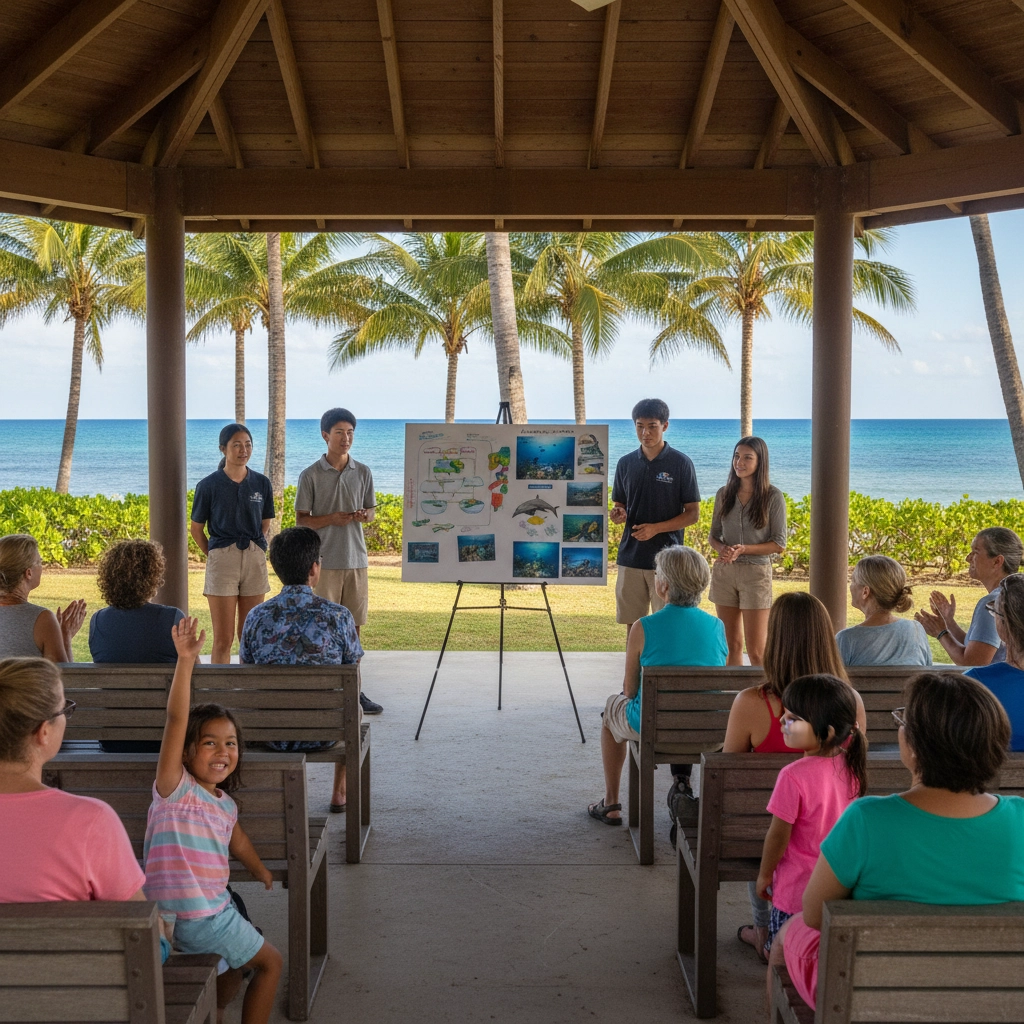
Create opportunities for students to present their mentoring experiences to broader audiences, including school boards, community organizations, and environmental groups. These presentations reinforce learning outcomes while raising awareness about migrant worker family needs and marine conservation issues in the Florida Keys.
Establish long-term relationships that extend beyond single expedition experiences. Consider developing pen pal programs, virtual tutoring sessions, or annual follow-up visits that maintain connections between student mentors and migrant worker families throughout the academic year.
Measuring Impact and Sustainability
Implement comprehensive evaluation protocols that assess program effectiveness across multiple dimensions including academic achievement, cultural competency development, and community impact. Work with partner organizations to track long-term outcomes for participating migrant worker children, including school retention rates, academic performance improvements, and college enrollment statistics.
Create sustainable funding mechanisms that ensure program continuity beyond initial pilot implementations. Consider partnership opportunities with local businesses, environmental organizations, and educational foundations that share commitments to both marine conservation and social justice.
Develop training materials and protocols that enable other educational travel programs to replicate successful mentoring initiatives. Share best practices through educational conferences, peer-reviewed publications, and professional development workshops that expand the reach of service learning opportunities.
Train local community members to continue mentoring activities after student groups return home, ensuring that relationships initiated during expeditions can be maintained and expanded by permanent residents who understand local contexts and challenges.
Building Lasting Connections
Service learning experiences that combine marine science education with mentoring support for migrant worker families create powerful opportunities for student growth while addressing genuine community needs. These programs develop cultural competency, scientific communication skills, and social responsibility that prepare students for engaged citizenship in an increasingly interconnected world.
The Florida Keys provide an exceptional setting where ecological complexity mirrors social complexity, enabling students to understand the interconnected nature of environmental and social justice issues. Through meaningful service relationships, students gain deeper appreciation for marine conservation challenges while developing empathy and understanding for communities whose livelihoods depend on healthy ecosystems.
Ensure that your mentoring program maintains focus on mutual benefit and cultural respect, avoiding approaches that position students as "saviors" while instead emphasizing collaborative learning and shared expertise. The most effective programs recognize that migrant worker families bring valuable knowledge and perspectives that enrich the educational experience for all participants.
Begin planning your Florida Keys service learning expedition by contacting Appleseed Expeditions to explore mentoring opportunities that align with your educational objectives and community partnership goals. These transformative experiences create lasting impact for students, families, and marine ecosystems that define the unique character of the Florida Keys.

Comments