


Sustainable Harvests: Why Costa Rica is the Ultimate Food Science Classroom

Food science is often perceived through the lens of laboratory beakers and industrial processing plants. However, the most profound advancements in sustainable food production are currently occurring in the field. Costa Rica, a nation that houses nearly 6% of the world’s biodiversity despite its small landmass, has become a global leader in agricultural innovation. For educators looking to bridge the gap between theoretical biology and practical application, a student food science trip to Costa Rica offers an unparalleled "living laboratory" experience.
Understanding the complexities of modern food systems requires more than a textbook; it demands an investigation into how biodiversity, policy, and indigenous wisdom intersect to create a resilient food supply.
The Scientific Link Between Biodiversity and Food Security
In traditional agricultural models, biodiversity is often seen as a secondary concern. In Costa Rica, it is understood as the foundational element of food science. The health of a crop is inextricably linked to the surrounding ecosystem. When students study food science here, they transition from viewing plants as isolated units to understanding them as part of a complex biological network.
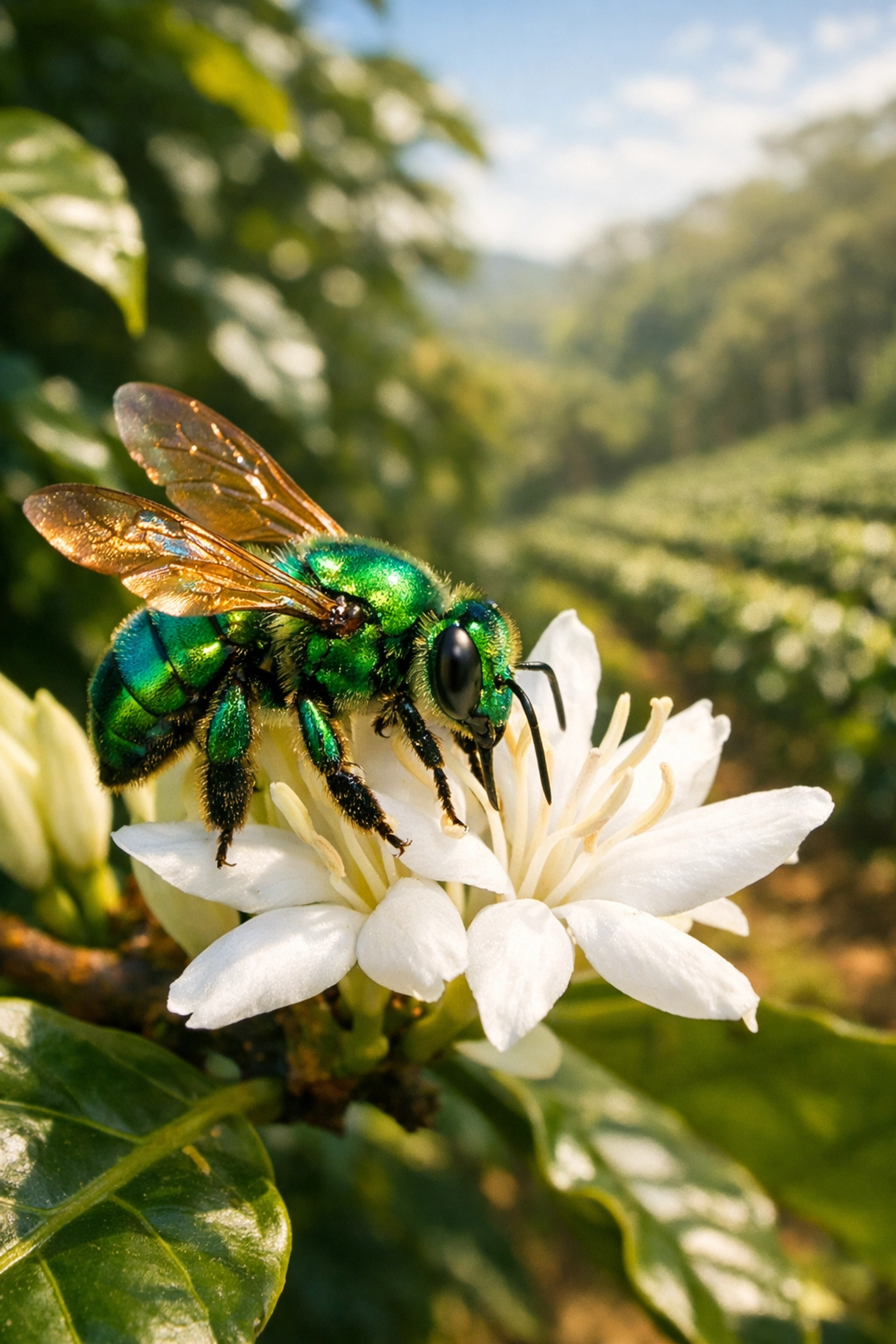
Pollination Dynamics: Students can observe how maintaining natural forest corridors adjacent to farms increases the presence of native pollinators, directly impacting crop yields and fruit quality.
Soil Microbiomes: In organic farming sectors, the focus shifts to the microscopic level. Educators can lead discussions on how diverse fungal and bacterial networks in volcanic soil facilitate nutrient uptake, reducing the need for synthetic fertilizers.
Pest Management: By studying "natural predators," students learn how a biodiverse environment provides built-in pest control, illustrating the science of biological equilibrium.
Implementing Sustainable Farming Methods: A Case Study in Polyculture
A primary goal of any educational trip to Costa Rica is to analyze the shift from chemical-intensive agriculture to regenerative practices. The country serves as a blueprint for how systemic transformation can occur at the farm level.
1. Crop Rotation and Soil Longevity
One of the most effective ways to prevent soil erosion and nutrient depletion is through strategic crop rotation. Students can visit farms that utilize this method to ensure year-round harvests. By alternating crops that fix nitrogen (such as legumes) with high-demand crops, farmers maintain the chemical integrity of the soil without the intervention of industrial additives.
2. Companion Planting and Natural Repellents
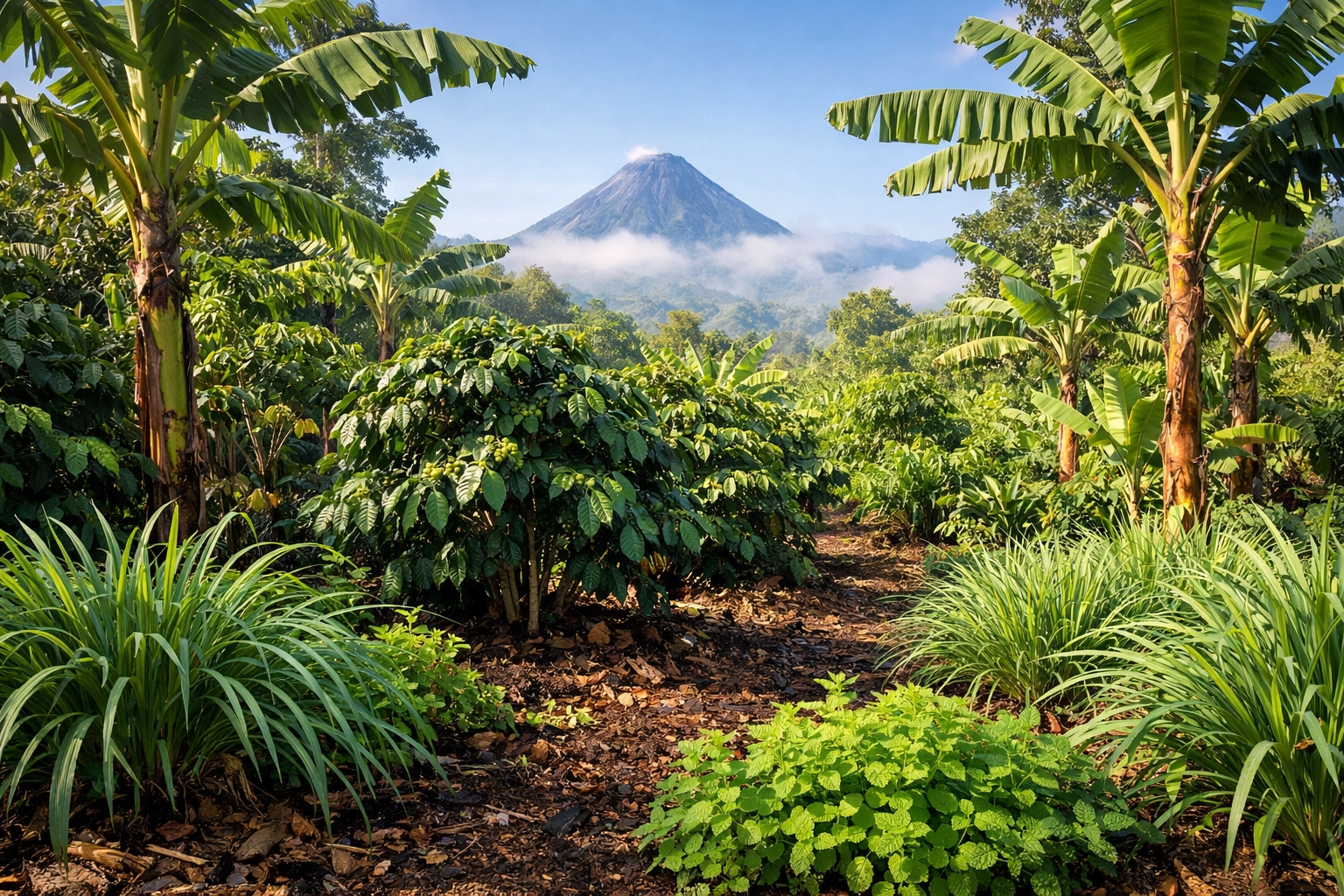
The use of "trap crops" and natural repellents is a cornerstone of Costa Rican organic farming. For example, the strategic planting of mint and lemongrass among primary crops acts as a natural deterrent for specific insects. This provides a tangible lesson in organic chemistry and botany, showing students how plant-emitted volatiles influence the behavior of pests.
3. Polyculture vs. Monoculture
In many parts of the world, monoculture (growing a single crop over a large area) is the standard, leading to soil exhaustion and increased vulnerability to disease. In Costa Rica, students observe polyculture systems that mimic natural ecosystems. These systems allow for symbiotic relationships between plants, insects, and animals, creating a self-sustaining loop of nutrient cycling.
For a deeper look at how these field experiences compare to traditional learning, teachers can explore Costa Rica vs. Classroom Labs: Which Biodiversity Experience Will Transform Your High School Students?.
Indigenous Wisdom and Natural Nutrient Cycling
While modern technology plays a role, much of Costa Rica’s success in sustainable harvests stems from indigenous practices. These communities have practiced subsistence farming for centuries, relying on natural nutrient cycling.
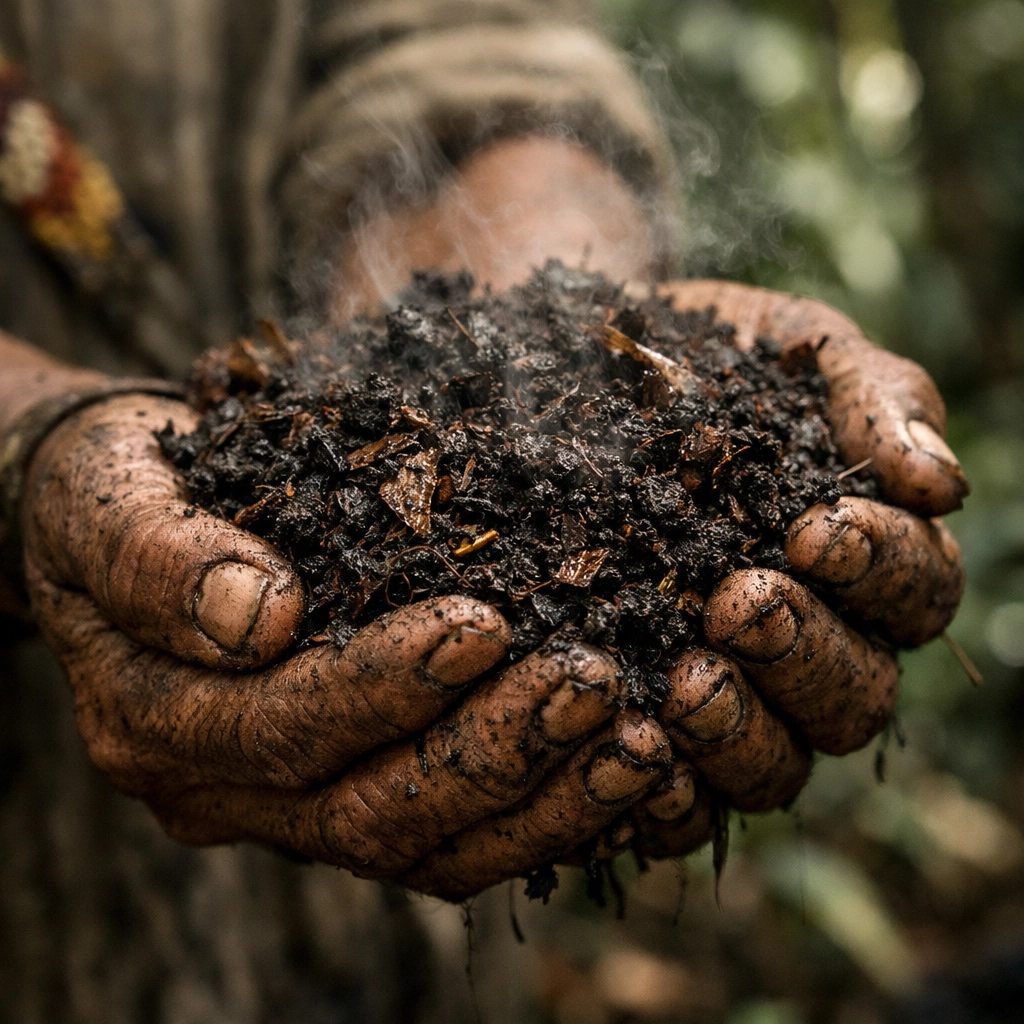
Students have the opportunity to study how indigenous farmers utilize organic waste, livestock manure, and decaying forest matter to create highly potent, natural fertilizers. This "closed-loop" system is a fundamental concept in environmental science and food production. Observing these symbiotic relationships helps students appreciate the historical context of food science and the importance of preserving traditional knowledge in the face of global climate change.
National Policy: The Framework for Sustainable Innovation
For high school students, understanding the role of governance in food science is crucial. Costa Rica’s agricultural success is not accidental; it is the result of deliberate national policy and international cooperation.
Payment for Ecosystem Services (PES): Launched in 1997, this program provides financial incentives to landowners who protect primary forests. Students can analyze how this economic mechanism protects the water sources and soil health necessary for sustainable agriculture.
Digital Traceability and Modernization: A recent $120 million initiative supported by the World Bank aims to modernize 10,500 small and medium agricultural producers. This program introduces digital registration systems and traceability networks. This provides a unique opportunity for students to see how data science is used to track food from the "farm to the table," ensuring safety and sustainability.
Carbon Neutrality Goals: Costa Rica’s commitment to becoming carbon neutral directly impacts how food is produced, processed, and transported. Students can investigate the carbon footprint of different agricultural models, comparing traditional methods with modern, low-emission practices.
Climate Adaptation and Water Management
Climate change poses a significant threat to global food security. Costa Rica is proactively building resilience through innovative water management infrastructure.
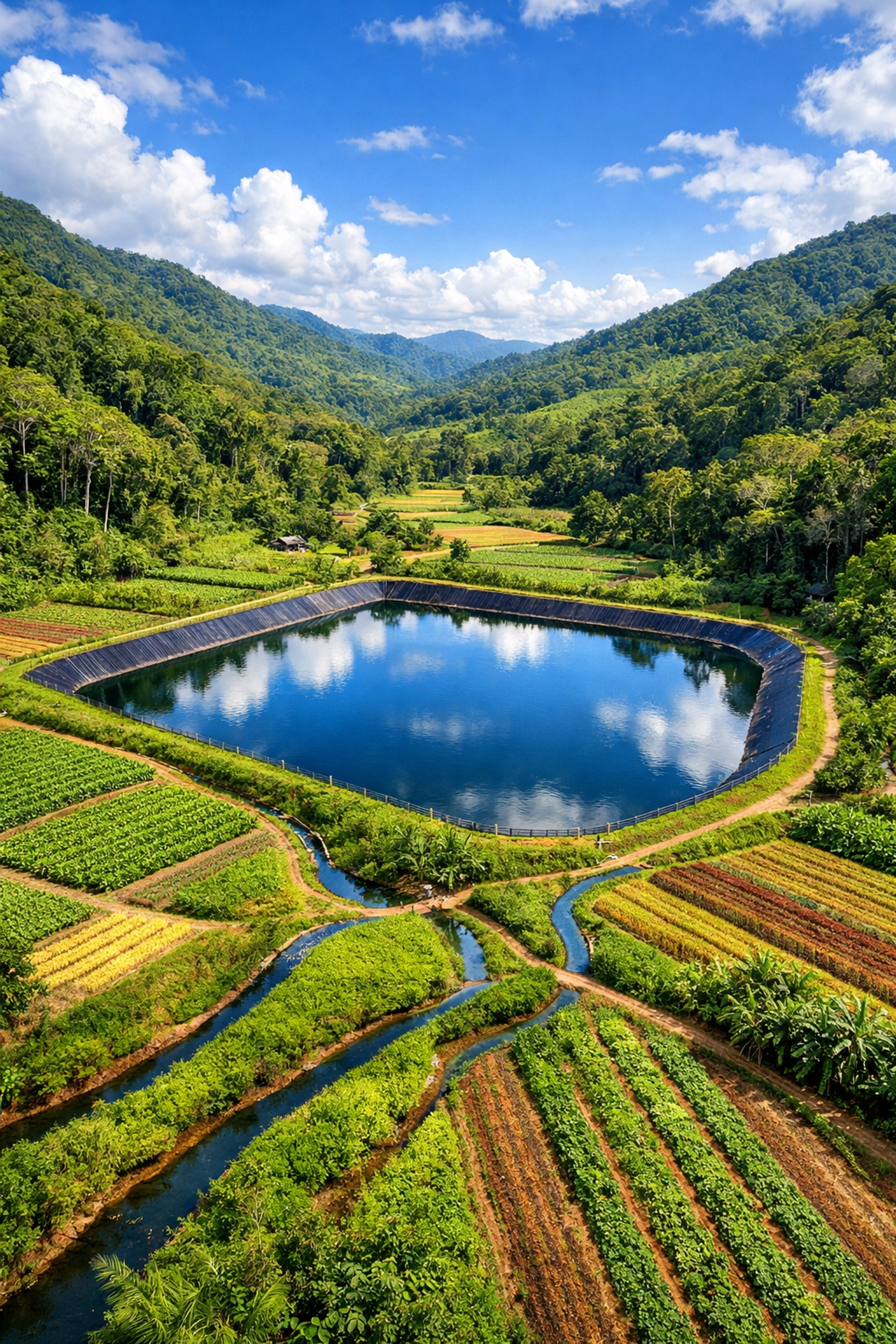
Educators should highlight the country’s plan to implement approximately 100 farm reservoirs over the next three years. These reservoirs are designed to enhance soil hydration and secure water supplies during dry seasons. For students, this provides a lesson in engineering, hydrology, and resource management. Understanding how to manage water in a tropical environment is a vital skill for future food scientists and agricultural engineers.
Organizing a Successful Educational Expedition
Preparing your students for a food science expedition to Costa Rica involves careful planning and a commitment to safety and educational rigor. Ensuring the safety of students is of paramount importance when traveling internationally.
Step 1: Establish Educational Objectives
Before departure, define clear learning outcomes. Are students focusing on soil chemistry, the economics of organic farming, or the biology of tropical pests? Aligning the itinerary with state or national standards ensures the trip is a valuable academic endeavor rather than a mere vacation.
Step 2: Prioritize Safety and Vigilance
When selecting a travel partner, ensure they have rigorous safety protocols in place. This includes:
Risk Assessment: Evaluating all farm sites and lodging for potential hazards.
Emergency Procedures: Having a detailed plan for medical emergencies or natural events.
Supervision: Maintaining appropriate student-to-chaperone ratios at all times.
Step 3: Integrate Service-Learning
To maximize the impact of the trip, include a service-learning component. Students might assist a local organic farm with reforestation efforts or help implement a community composting program. This fosters a sense of responsibility and global citizenship. For more on this, see The Ultimate Guide to Costa Rica Service Learning.
Step 4: Cultural Immersion and Professional Conduct
Advise students on the importance of respecting local customs and traditions. Professional behavior is expected when interacting with local farmers, scientists, and government officials. Emphasize that they are representatives of their school and country.
Conclusion: Empowering the Next Generation of Food Scientists
The future of our global food system depends on leaders who understand the delicate balance between production and preservation. By moving the classroom to the rainforests and farms of Costa Rica, educators provide students with a holistic view of food science that cannot be replicated in a laboratory.
From the volcanic soils of the highlands to the innovative digital tracking systems used by modern cooperatives, Costa Rica offers a comprehensive curriculum in sustainability. By participating in these expeditions, students develop the critical thinking skills, scientific knowledge, and global perspective necessary to tackle the food security challenges of the 21st century.
Ensuring that students are prepared, supervised, and engaged is the key to a successful journey. Through careful preparation and a focus on core scientific values, teachers can facilitate a life-changing experience that enriches the academic and personal lives of every participant.
For more information on planning your next educational adventure, visit our blog or explore our available services.

Comments