


The Science Behind Iceland's Volcanoes: A Hands-On Student Field Experience
- Caleb Mullenix
- Nov 11, 2025
- 4 min read

Preparing students for advanced earth science education requires exposure to real-world geological phenomena that demonstrate the dynamic processes shaping our planet. Iceland represents one of Earth's most exceptional natural laboratories for studying volcanoes, offering educational opportunities that transform abstract geological concepts into tangible understanding through direct field observation.
Iceland's Unique Geological Position
Understanding Iceland's volcanic significance begins with recognizing its exceptional geological setting. The country sits at the convergence of the Mid-Atlantic Ridge and the Icelandic hotspot, creating conditions found nowhere else on Earth. This unique position results in approximately 20-30 volcanic eruptions occurring every century, with 50% of these eruptions taking place beneath glaciers.
Students studying Iceland's volcanic systems observe the interaction between two fundamental geological processes: active plate tectonics and hotspot volcanism. The Mid-Atlantic Ridge represents the boundary where the North American and Eurasian plates separate, while the Icelandic hotspot provides an additional heat source from deep within the Earth's mantle. This combination creates exceptional volcanic activity and distinctive geological formations.
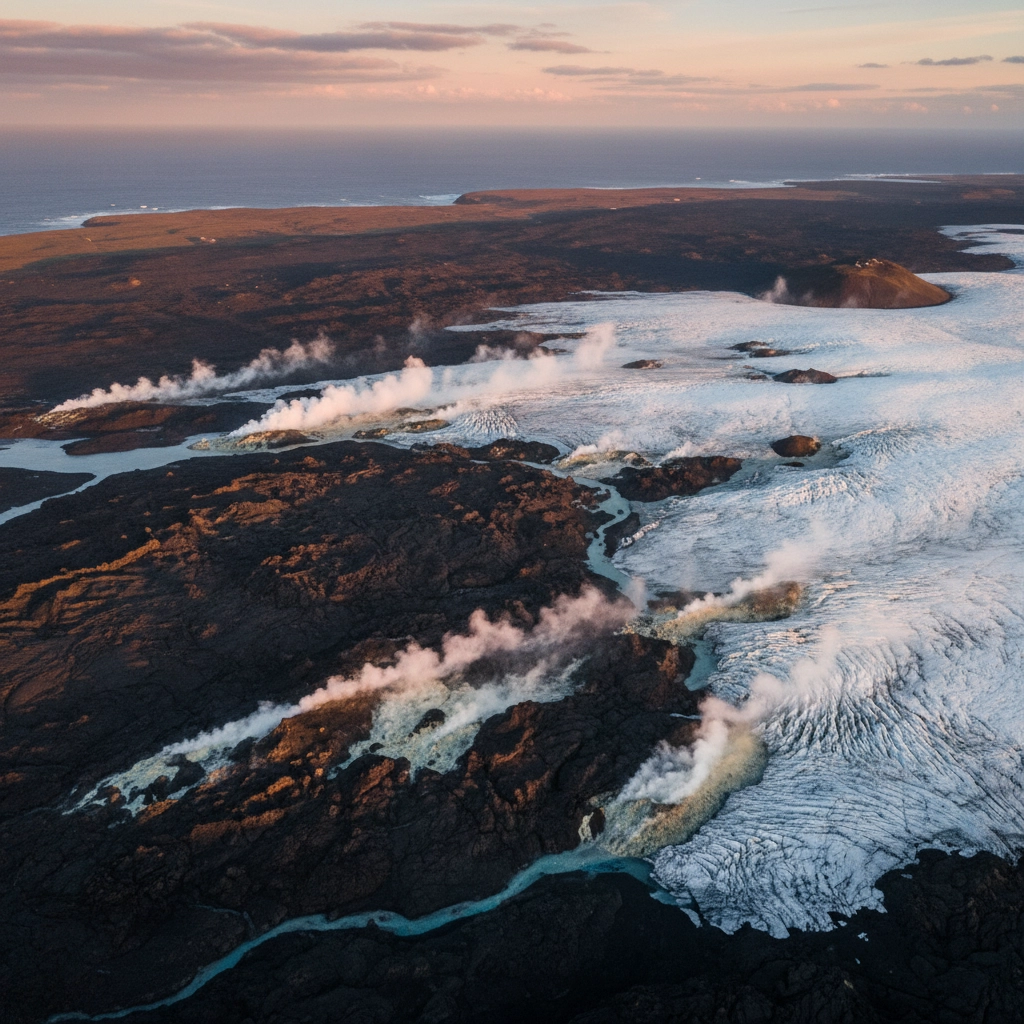
The glaciovolcanic interactions in Iceland produce phenomena students cannot observe anywhere else globally. The 2010 Eyjafjallajökull eruption exemplifies these unique processes, generating volcanic ash that impacted international air traffic while simultaneously producing glacial outburst floods that demonstrated the powerful relationship between ice and volcanic activity.
The Science Behind Iceland's Magma Systems
Recent scientific research has revealed complex subsurface structures beneath Iceland's volcanoes that provide exceptional learning opportunities for students studying earth science. Magma chambers extend from 1 to 35 kilometers below the surface, creating stacked systems with temperatures reaching up to 400 degrees Celsius higher than previously understood.
Students learn how magma constantly flows through these chambers and injects into crustal fractures, resulting in increased volcanic activity. By studying volcanic glass: which directly represents liquid magma from beneath the surface: researchers can pinpoint exact magma chamber locations with greater precision than conventional seismic or satellite methods.
This scientific approach demonstrates to students how modern volcanology combines field observation with laboratory analysis to understand subsurface processes. The volcanic glass samples collected during field experiences provide direct evidence of magma composition and temperature, connecting surface observations to deep earth processes.
Hands-On Field Experience Opportunities
Educational field programs in Iceland provide comprehensive exposure to volcanic and glaciological processes through carefully structured itineraries. Programs typically range from intensive 5-day workshops to comprehensive 8-10 day circuits covering multiple volcanic systems and glacial environments.
Students begin their volcanic studies at the Reykjanes Peninsula, where they observe pillow lavas and subglacially formed volcanoes. These formations demonstrate how lava behaves when erupting beneath ice and water, creating distinctive textures and structures that students can examine directly in the field.
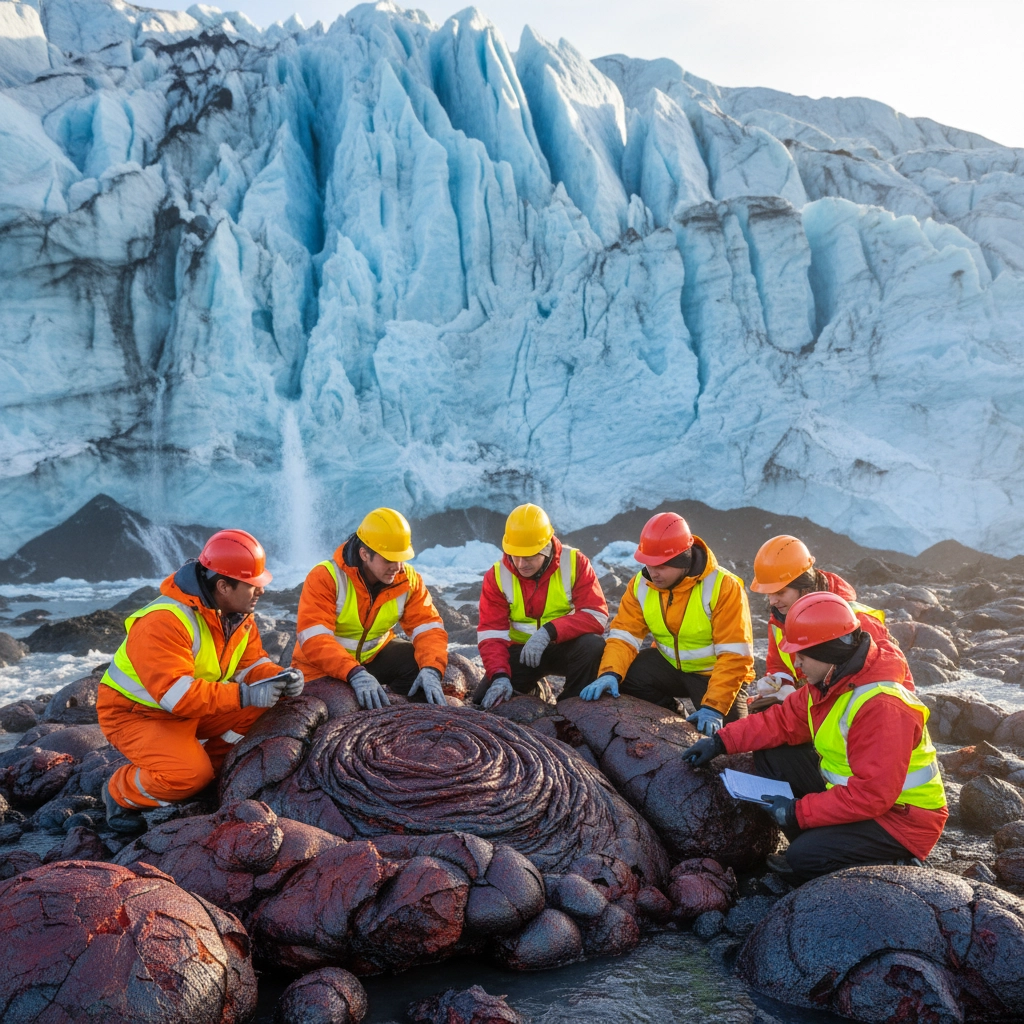
The Eyjafjallajökull and Þórsmörk areas provide opportunities to examine glacial outburst flood impacts and subglacial processes. Students visit the Gígjökull outlet glacier, which was directly impacted by subglacial lava propagation during the 2010 eruption, observing how volcanic heat affects glacial ice. At Steinholtsjökull, students examine proglacial lake formations that demonstrate the ongoing interaction between volcanic activity and glacial processes.
Critical Learning Sites for Volcanic Education
Þríhnúkagígur Volcano: Inside Earth's Magma Chamber
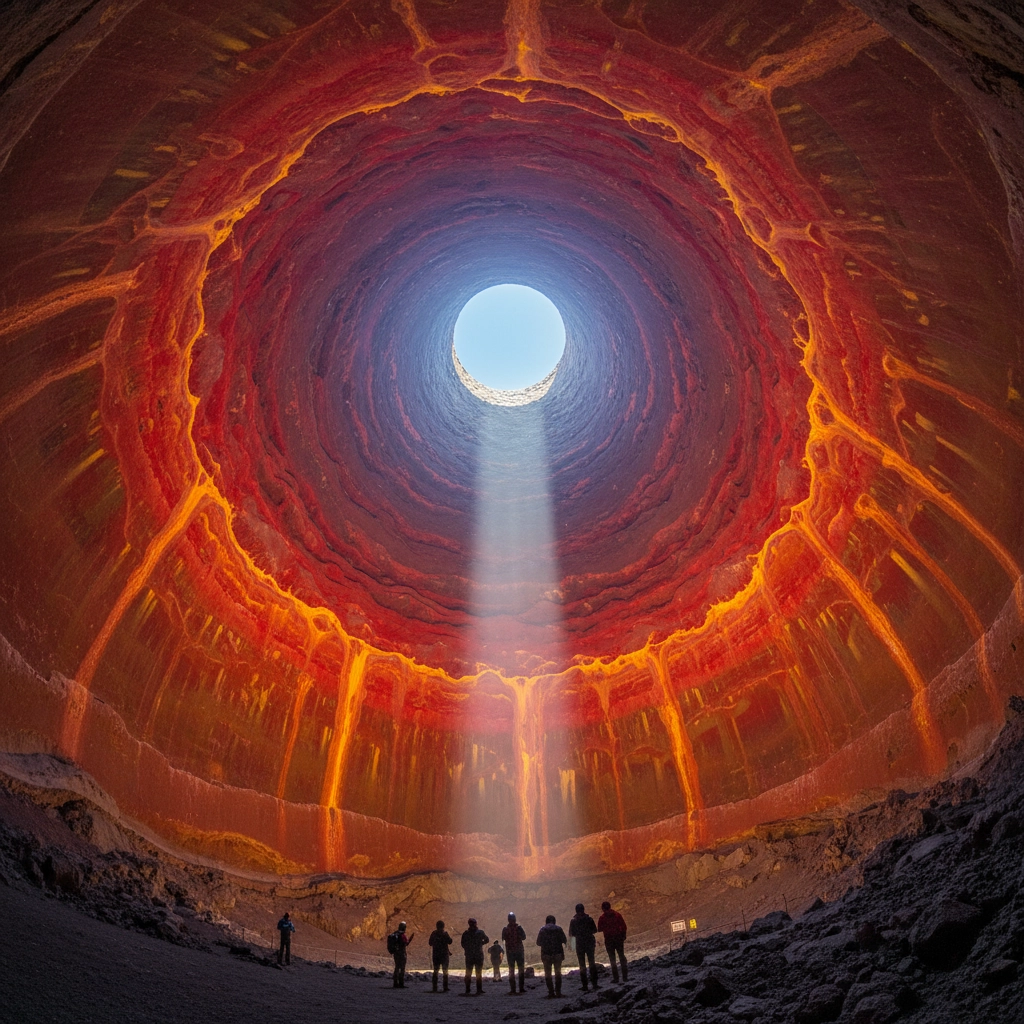
Students can experience the extraordinary opportunity to descend approximately 120 meters into the Þríhnúkagígur volcano's magma chamber: the only location on Earth where this direct observation is possible. This dormant volcano, inactive for over 4,000 years, provides unparalleled access to observe the vibrant interior walls showing red, orange, and multicolored formations that reveal how magma reshaped the mountain's interior.
Sólheimajökull Glacier Studies
At Sólheimajökull, an outlet glacier originating from Mýrdalsjökull, students engage in glacier hikes to observe glaciological features while witnessing rapidly changing conditions due to climate change. These observations demonstrate the relationship between volcanic heat, glacial dynamics, and climate systems.
Vatnajökull Ice Cap Research
The Vatnajökull area: Europe's largest ice cap covering more than 8% of Iceland: provides opportunities to study volcanic systems and glaciation over vast spatial scales. Students observe how massive ice sheets influence volcanic eruptions and how volcanic heat affects glacial behavior across extensive areas.
Geothermal Energy and Sustainable Systems
Field programs incorporate visits to geothermal facilities like the Hellisheiði geothermal power plant: the world's largest single-site geothermal power station: connecting volcanic energy with sustainable energy practices. Students observe how Iceland harnesses volcanic heat for electricity generation and heating, demonstrating practical applications of geological processes.
These visits provide concrete examples of how scientific understanding of volcanic systems translates into renewable energy solutions, emphasizing the practical importance of earth science education for addressing contemporary energy challenges.
Educational Outcomes and Scientific Understanding
Students participating in Iceland volcanic field experiences develop integrated understanding of Earth systems through hands-on observation. They witness the delicate balance between glaciers, volcanic activity, distinctive flora and fauna, and interconnected systems that continuously reshape landscapes.
Professional volcanologists, glaciologists, and experienced guides provide real-time interpretation during field studies, ensuring students understand not only observable phenomena but also underlying scientific principles. This expert guidance transforms field observations into scientific understanding, connecting surface features to deep earth processes.
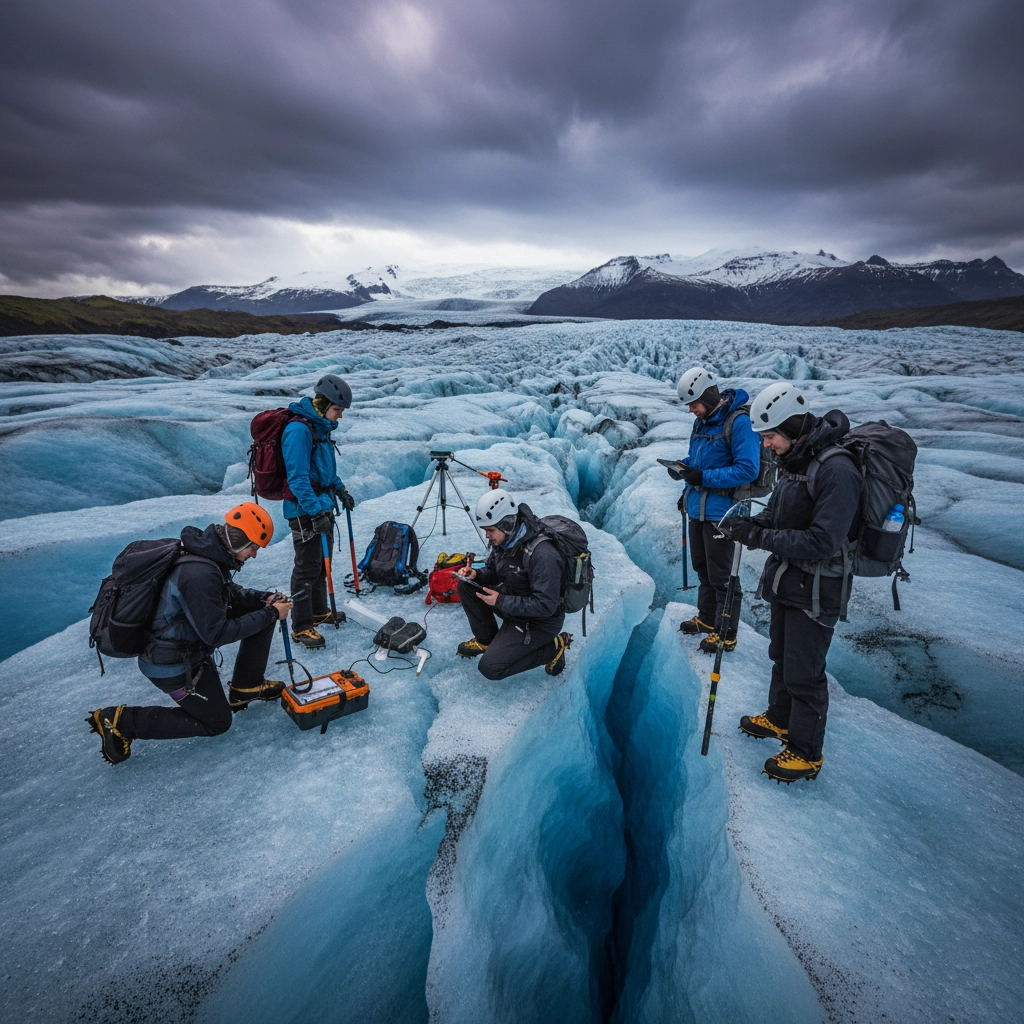
Students observe pahoehoe lava flows, hyaloclastite formations created by lava erupting under thick ice caps, calderas, and evidence of explosive eruptions spanning thousands of years alongside recent volcanic activity. This temporal perspective helps students understand volcanic processes operating across vastly different timescales.
Connecting Theory to Practice
The hands-on field experience in Iceland uniquely combines observational learning with rigorous scientific explanation. Students witness powerful geological forces that continuously reshape our planet while developing skills in field observation, data collection, and scientific interpretation.
Field studies emphasize the importance of preparation, safety protocols, and systematic observation techniques essential for scientific fieldwork. Students learn to document observations, collect samples appropriately, and analyze field data using established scientific methods.
Experience Iceland's Volcanic Wonders with Appleseed Expeditions
Appleseed Expeditions provides comprehensive educational travel experiences that transform Iceland's volcanic landscapes into exceptional learning opportunities for students and educators. Our expertly designed programs combine scientific rigor with hands-on field experiences, ensuring students develop deep understanding of earth science principles while observing phenomena unavailable anywhere else on Earth.
Contact Appleseed Expeditions to discover how your students can experience Iceland's volcanic science firsthand through carefully structured educational adventures that prioritize safety, scientific accuracy, and transformative learning experiences. Visit our Iceland school tour page to begin planning your students' volcanic field experience.
Comments