


How to Integrate Olympia Oyster Restoration With Pacific NW Student Expeditions

The Pacific Northwest (PNW) serves as one of the most dynamic outdoor classrooms in the world. For educators looking to bridge the gap between classroom theory and real-world conservation, the restoration of the Olympia oyster (Ostrea lurida) offers a unique, hands-on entry point. As the only oyster species native to the Pacific coast of North America, the "Oly" is more than just a mollusk; it is a keystone species and a cultural touchstone for Indigenous communities.
Integrating Olympia oyster restoration into a student expedition requires careful planning, strategic partnerships, and a focus on restoration-first learning. This guide outlines how to design an itinerary that moves beyond simple observation to active scientific participation.
The Ecological and Cultural Significance of the Olympia Oyster
Before arriving in the field, students must understand the stakes of their work. The Olympia oyster population has declined by more than 90% since the late 19th century due to overharvesting, habitat loss, and pollution. This decline has had a cascading effect on the Salish Sea ecosystem.
Oysters are nature’s water purifiers; a single adult can filter up to 12 gallons of water per day, removing excess nutrients and suspended solids. Furthermore, their reef structures provide critical habitat for juvenile salmon and Dungeness crabs. Culturally, the Olympia oyster has been a staple for Coast Salish peoples for millennia. By focusing on this species, students engage with both environmental science and the history of the Jamestown S'Klallam Tribe and other regional nations.
Module 1: Hands-On Restoration Science and Aquaculture
The most effective way to integrate restoration is through direct participation in conservation aquaculture. This is not a passive tour; it is labor-intensive fieldwork.
Implementing Oyster Settling Tanks
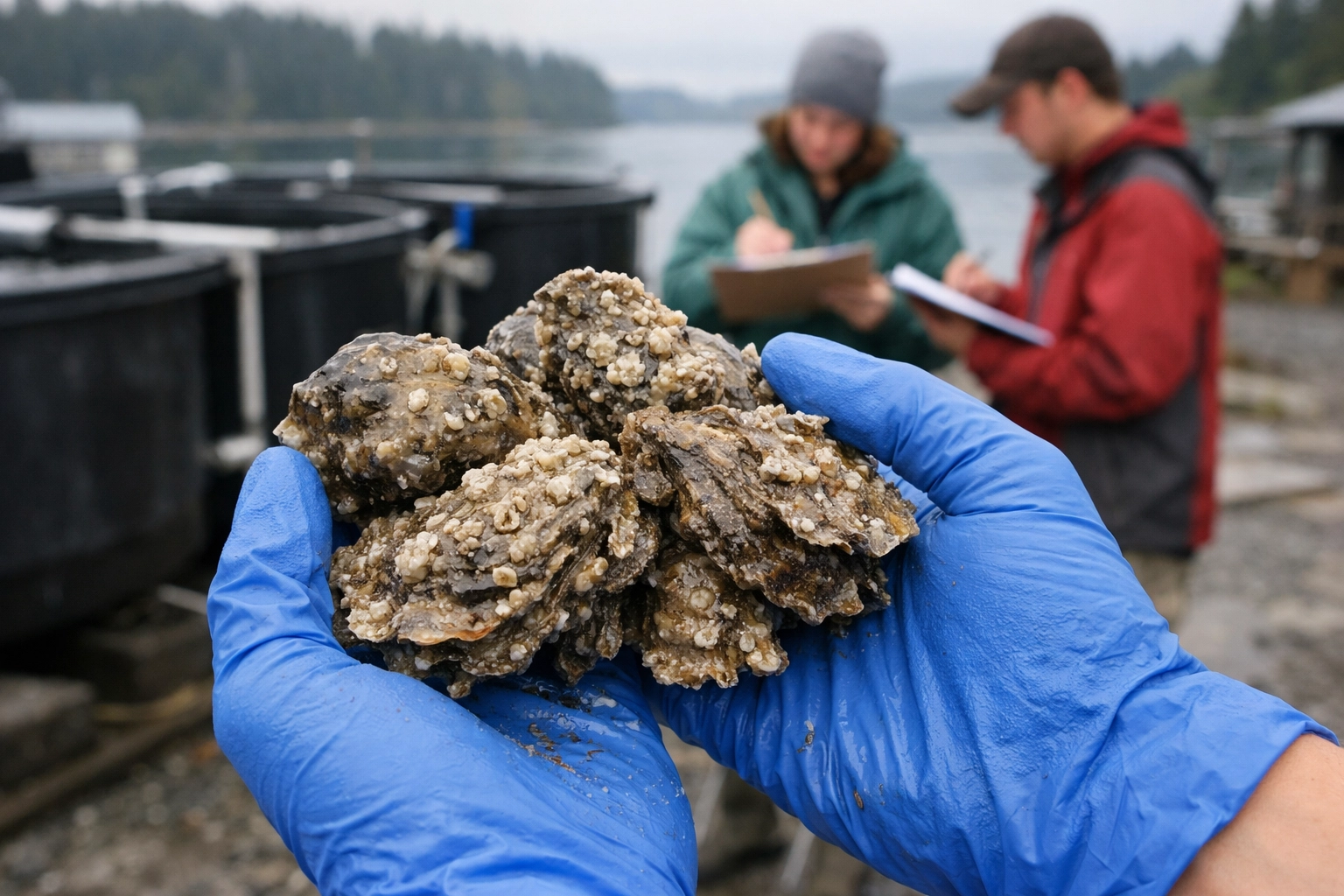
A primary model for student engagement involves the use of oyster settling tanks. These systems allow students to observe the life cycle of the oyster up close while contributing to regional restoration goals.
Water Quality Monitoring: Instruct students to use professional-grade sensors to measure pH, salinity, and dissolved oxygen within the tanks. High-school-level chemistry and biology lessons come to life as they track how these variables impact larval survival.
Systems Maintenance: Assign groups to maintain the mechanical components of the settling tanks. Understanding the technology used in modern conservation is vital for students considering careers in maritime science.
Seeding and Deployment: Students assist in the process of attaching oyster larvae to recycled shells (clutch). Once these "spat-on-shell" are ready, they are eventually moved to restoration sites in areas like Chuckanut Bay.
Module 2: Marine Biology and Coastal Wildlife Ecology
While the Olympia oyster is the focal point, it exists within a complex marine web. To understand the "Oly," students must explore the waters of the San Juan Islands.
Kayaking the Salish Sea
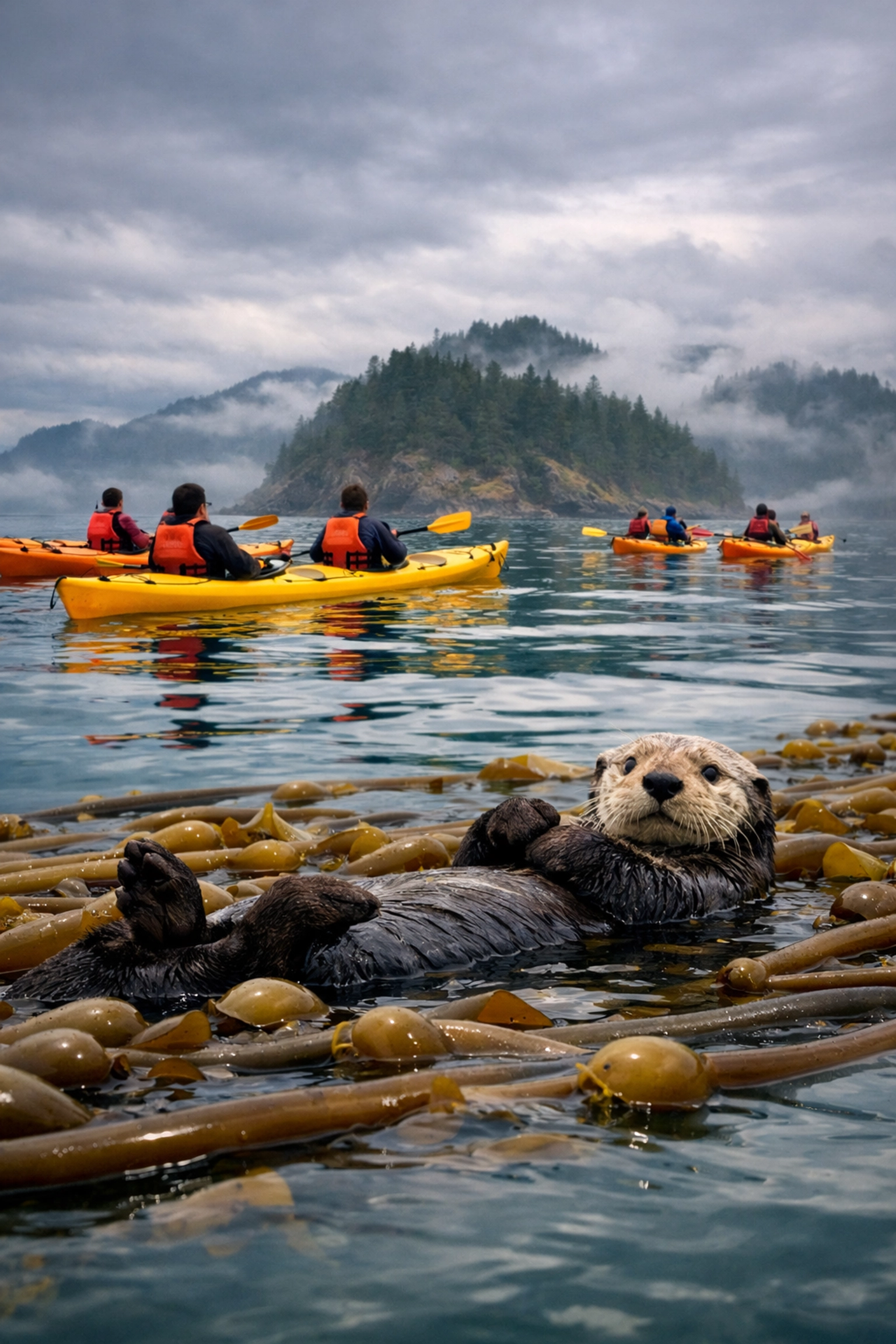
The most effective way to witness the connectivity of the ecosystem is from the seat of a kayak. Educators should prioritize guided tours that emphasize the relationship between coastal health and apex predators.
Orca Ecology: Discuss the impact of water quality on the Chinook salmon population, which in turn supports the Southern Resident orcas.
Sea Otter Recovery: Observe sea otters in their kelp forest habitats. Students should learn how sea otters act as "guardians" of the kelp, which provides the carbon sequestration necessary for a stable marine environment.
For a deeper dive into the logistics of organizing these sessions, teachers should consult our guide on how to plan educational kayaking tours in the San Juan Islands.
Citizen Science and Data Collection
During kayaking excursions, students should act as citizen scientists. Provide them with data sheets to record sightings of marine mammals and invasive species. This data can often be uploaded to regional databases, ensuring the students' work contributes to a larger scientific body of knowledge. More insights on these methodologies can be found in our post on Pacific Northwest marine science secrets.
Module 3: Terrestrial Connections: Mount Rainier and Olympic National Forest
A holistic PNW science expedition must connect the mountains to the sea. The health of the oyster beds in the Sound is directly linked to the water flowing from the alpine forests and glaciers.
Olympic National Forest: Rainforest Ecology
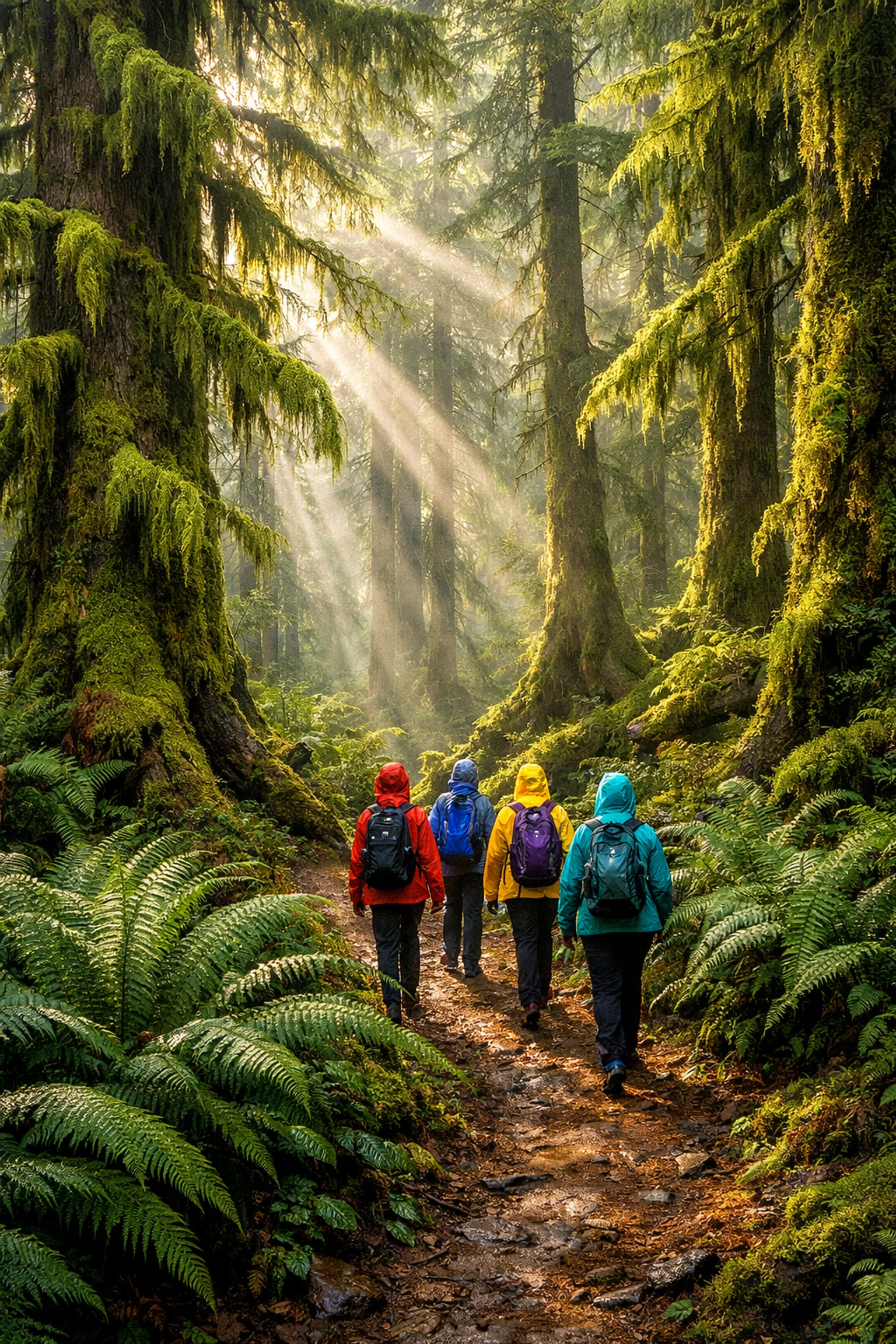
In the Olympic National Forest, focus on the nitrogen cycle and the role of "salmon forests." Students should explore how nutrients from the ocean are carried inland by spawning fish, which then fertilize the towering Sitka spruces and Western hemlocks. This rainforest ecology is a crucial lesson in how terrestrial and marine systems are inextricably linked.
Mount Rainier: Earth Science and Glaciology
At Mount Rainier National Park, the focus shifts to earth science and volcanoes.
Glacial Recession: Have students observe the Nisqually Glacier and discuss how glacial melt provides the freshwater necessary for the brackish estuaries where Olympia oysters thrive.
Volcanic Geology: Study the lahar flows and the geological history of the Cascades to provide context for the region's current topography.
Module 4: Conservation Service at Farmers Frog
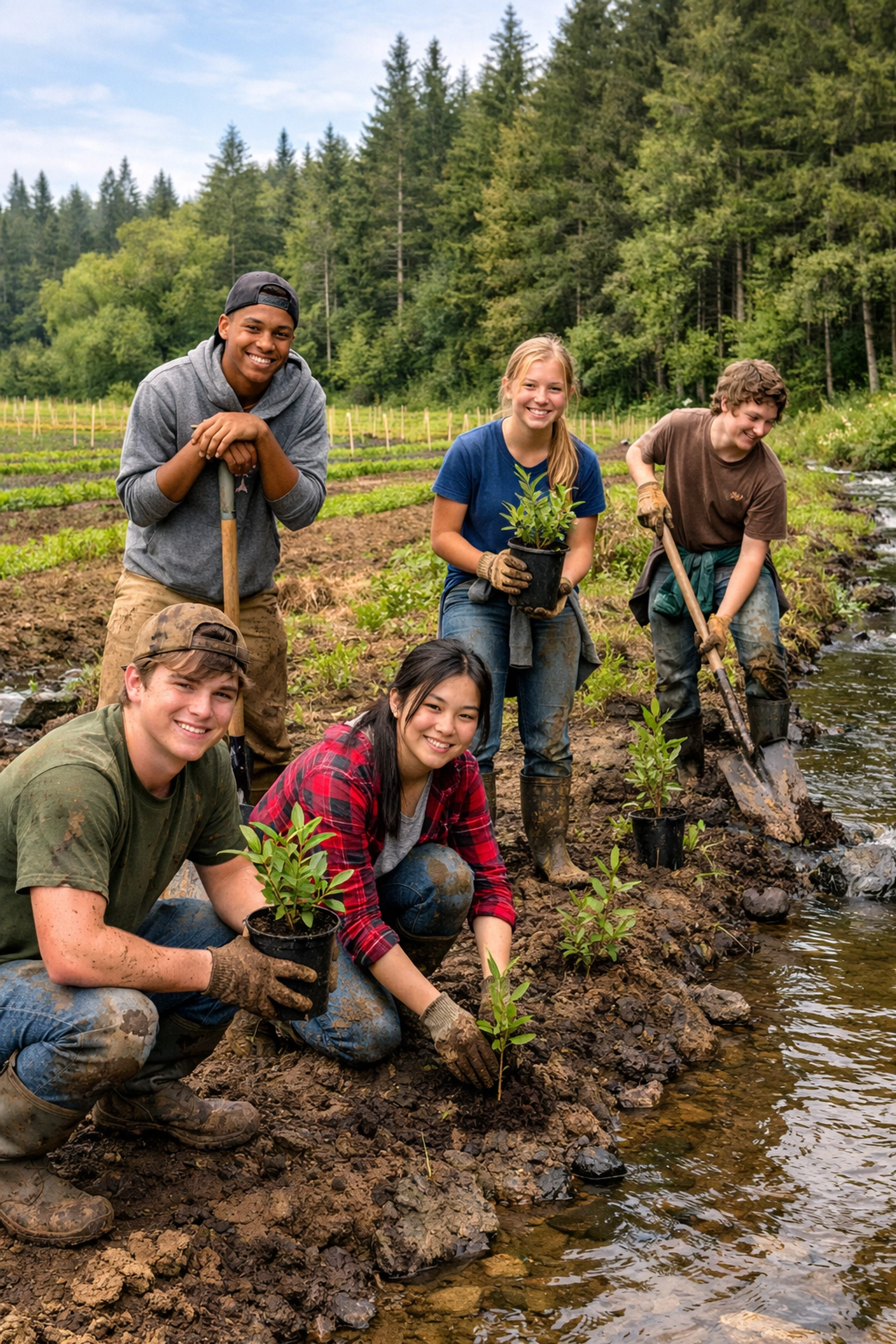
Sustainable food systems and land management are the final pieces of the conservation puzzle. We recommend a dedicated service day at Farmers Frog, an organization focused on intensive small-scale farming and food sovereignty.
Educational Objectives at Farmers Frog:
Watershed Management: Students learn how sustainable farming practices prevent agricultural runoff from entering the Puget Sound, thereby protecting oyster beds from harmful algae blooms.
Wildlife Ecology: Study how the farm integrates with local wildlife corridors, supporting biodiversity in the northern rainforest environment.
Essential Safety and Preparation for Educators
Organizing a marine-based expedition involves significant logistical preparation and a risk-averse mindset. Safety must be the paramount concern for every teacher and chaperone.
Pre-Trip Planning Checklist
Liability and Certifications: Ensure all maritime partners (kayak guides, boat captains) hold current Coast Guard certifications and comprehensive insurance.
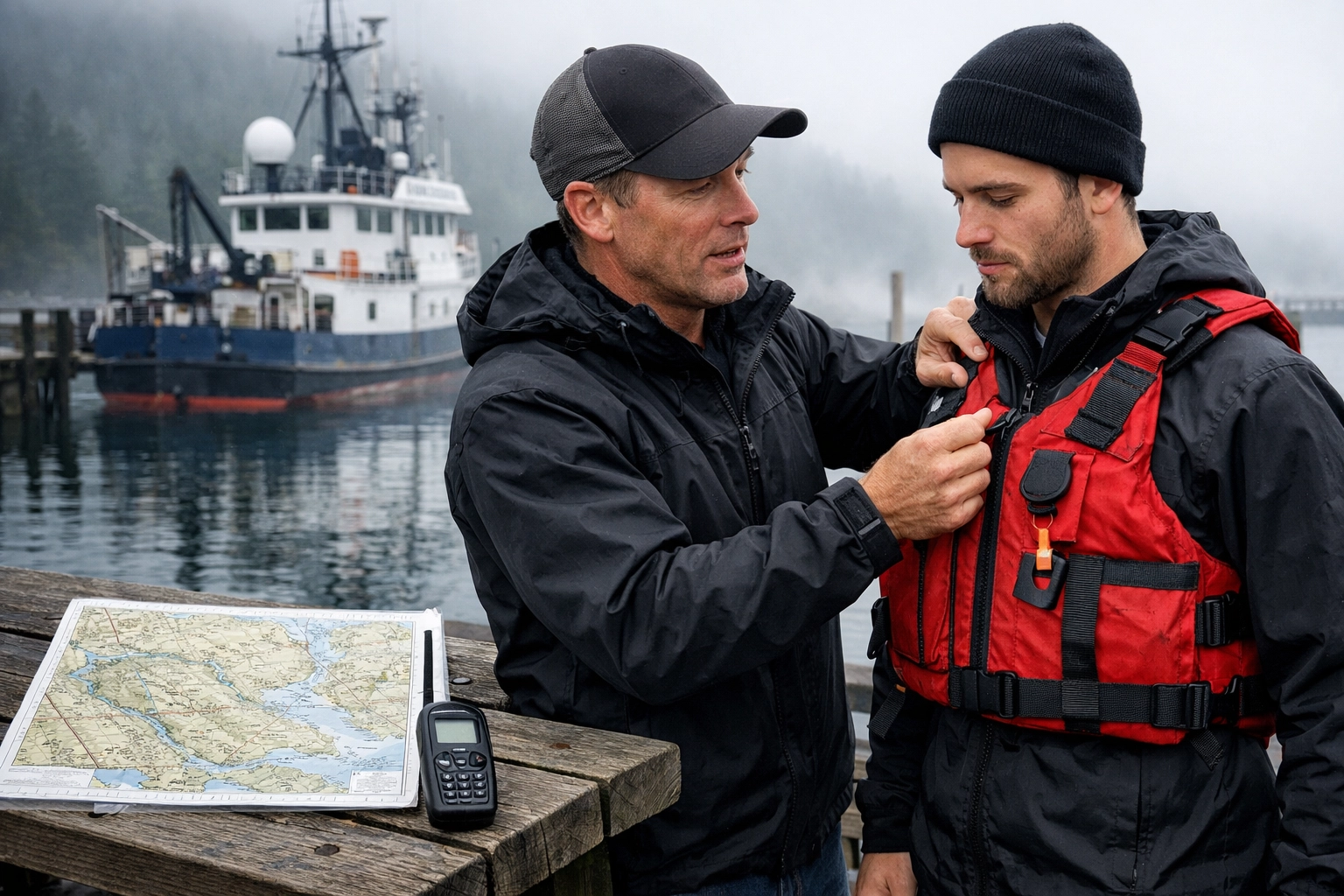
Equipment Inspection: Verify that all students are fitted with USCG-approved life jackets (PFDs) and that immersion gear (dry suits or wetsuits) is available for colder conditions.
Emergency Contingency Plans: Create a detailed protocol for "man overboard" scenarios and medical emergencies in remote coastal areas. Distribute this plan to all parents and school administrators.
Weather Vigilance: The weather in the PNW can change in minutes. Maintain a strict "no-go" policy for water activities if small craft advisories are in effect.
Student Conduct and Responsibility
Advise students on the importance of "Leave No Trace" principles. In restoration areas, emphasize that their movements must be deliberate and respectful to avoid crushing delicate larvae or disturbing nesting shorebirds. Encourage students to see themselves as professional field researchers, which fosters a sense of responsibility and focus.
Conclusion: Empowering the Next Generation of Scientists
Integrating Olympia oyster restoration into a Pacific Northwest expedition transforms a standard school trip into a high-impact scientific mission. By combining the maritime expertise of groups like Northwest Maritime with tribal knowledge and rigorous fieldwork, students gain more than just knowledge: they gain a sense of agency.
They leave the PNW not just as visitors, but as contributors to a self-sustaining ecosystem. Whether they are monitoring water quality in the San Juan Islands, studying rainforest ecology in the Olympic National Forest, or analyzing volcanic activity on Mount Rainier, they are developing the practical skills necessary for the future of conservation.
Through careful preparation and a commitment to restoration-first learning, you can ensure your students return home with a profound respect for the delicate balance of our planet’s marine and terrestrial systems. Ensuring the safety and academic enrichment of your students is our primary mission at Appleseed Expeditions, and we are ready to help you navigate the complexities of your next PNW adventure.

Comments