


7 Mistakes You’re Making With Florida Keys Service Learning (and How to Fix Them)
- Caleb Mullenix
- Mar 26
- 5 min read

The Florida Keys represent one of the most unique and fragile ecological corridors in North America. For educators, this archipelago offers an unparalleled "living laboratory" where students can engage with marine biology, seagrass ecology, and coral restoration firsthand. However, the transition from a standard school field trip to a high-impact service learning expedition requires meticulous planning and a deep understanding of the local environment.
When service learning is executed correctly, it bridges the gap between classroom theory and real-world application. When it is poorly planned, it risks becoming "voluntourism": an experience that may provide a superficial sense of accomplishment but fails to provide meaningful data to conservationists or lasting educational value to students. To ensure your next expedition is safe, impactful, and academically rigorous, avoid these seven common mistakes.
1. Treating Service as a "Side Project" Rather Than a Core Objective
One of the most frequent errors in student travel is treating service learning as a checkbox or a half-day activity tucked between recreational outings. When service is an afterthought, students perceive it as a chore rather than a vital component of their educational journey.
How to Fix It: Integrate service into every facet of the itinerary. Service learning should be the lens through which students view the entire ecosystem. For example, if students are scheduled for a beach excursion, the focus should not merely be on leisure, but on microplastic surveys or coastal strandline analysis. By framing every activity around a central conservation theme, you elevate the academic integrity of the trip.
2. Ignoring the Nuances of Key-Specific Ecosystems
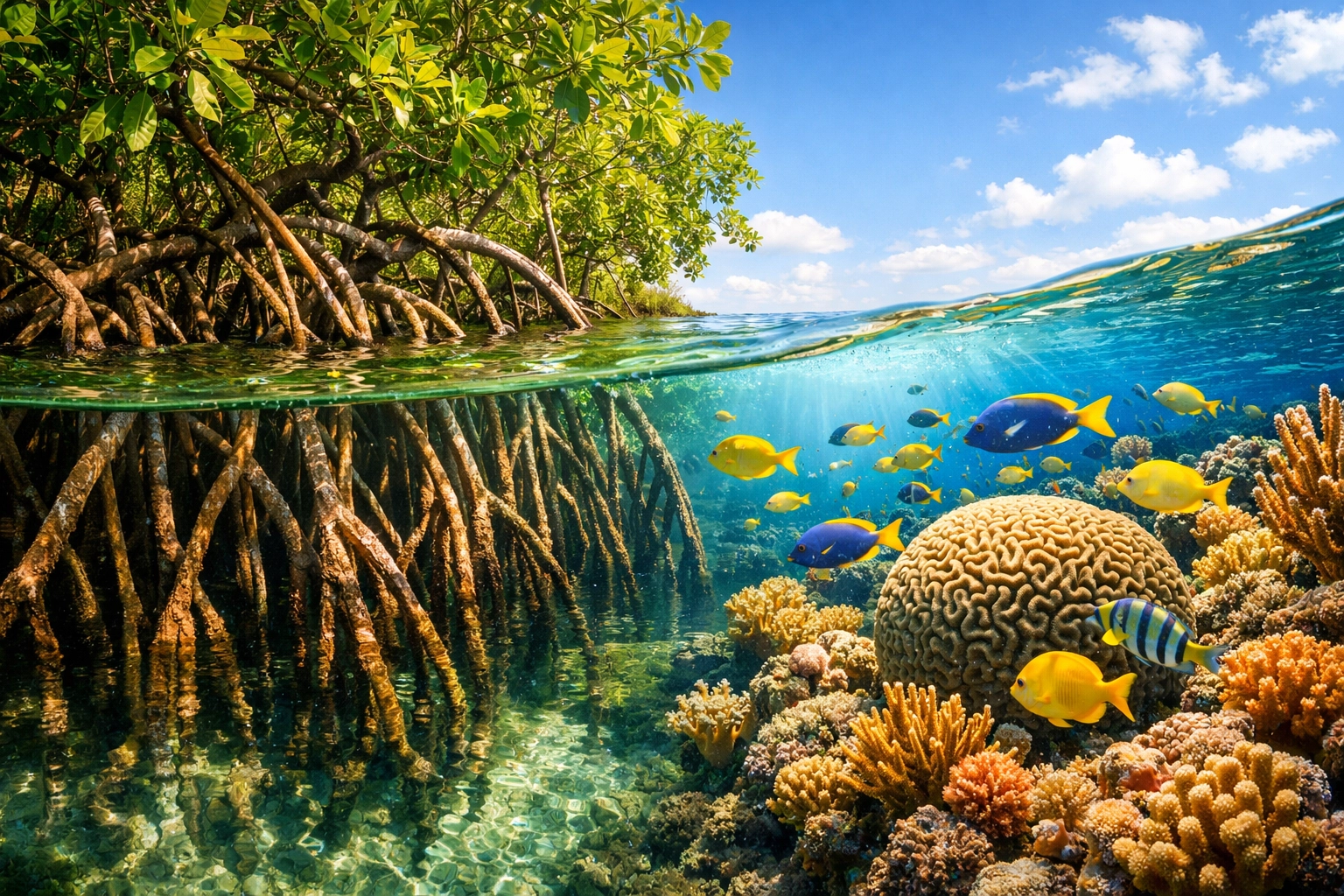
The Florida Keys are not a monolithic environment. From the hardwood hammocks of Key Largo to the sprawling mangrove forests of the middle Keys and the coral barrier reefs offshore, each zone requires different conservation approaches. A generic "marine science" approach often fails to address the specific stressors affecting these diverse habitats.
How to Fix It: Develop a curriculum that distinguishes between these zones. Ensure your students understand the critical role of the "Blue Carbon" stored in mangrove systems before they begin a restoration project. Detailed preparation in this area allows students to contribute more effectively to high school service learning opportunities in the mangroves. Understanding the "why" behind the "what" is essential for true educational immersion.
3. Underestimating the Logistics of the Overseas Highway
The Florida Keys are connected by a single artery: U.S. 1, the Overseas Highway. Many group leaders fail to account for the logistical challenges of transporting a large group across 113 miles of narrow bridges and two-lane roads. Traffic delays, seasonal tourism spikes, and limited parking at research sites can quickly derail a tightly packed schedule.
How to Fix It: Practice proactive time management. When planning a weekend getaway or a week-long expedition, build in significant "buffer time" for transit. Advise your logistics team to monitor local traffic patterns and schedule arrivals at sensitive research sites during off-peak hours. Meticulous scheduling ensures that your students spend more time in the water and less time in a transport van.
4. Failing to Vet Conservation Partners for "Citizen Science" Credibility
Not all service opportunities are created equal. Some programs involve "busy work" that does not contribute to actual scientific datasets. For a service learning trip to have academic value, the work performed must be part of a legitimate, ongoing research effort.
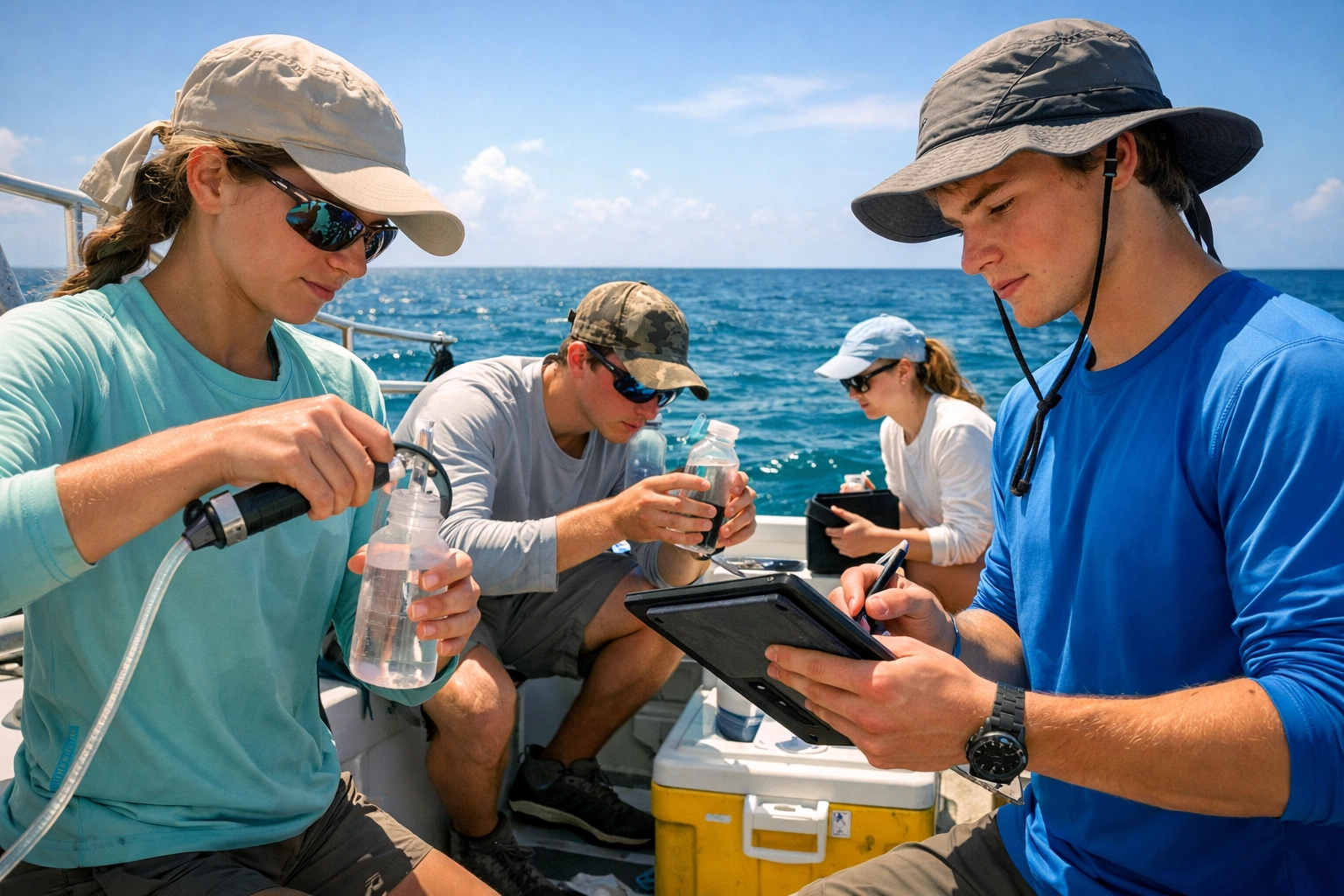
How to Fix It: Partner only with established organizations that practice rigorous "Citizen Science." Your students should be collecting data that will be used by marine biologists to track coral bleaching, invasive species (like lionfish) populations, or water quality. This level of involvement mirrors the fieldwork found in other high-stakes environments, much like how students engage in marine biology fieldwork in Belize. When students know their data matters, their engagement levels skyrocket.
5. Neglecting Comprehensive Risk Management and Environmental Safety
The Florida Keys environment is beautiful but unforgiving. Heat exhaustion, dehydration, jellyfish stings, and sun exposure are real risks that can end an expedition prematurely. Many trip leaders focus so heavily on the educational content that they overlook the granular details of student safety in a tropical marine climate.
How to Fix It: Implement a strict safety protocol that is communicated to students, parents, and chaperones well before departure.
Hydration Schedules: Mandate "water breaks" every 30 minutes, regardless of whether students feel thirsty.
Gear Requirements: Ensure every student has reef-safe sunscreen, polarized sunglasses to prevent eye strain, and appropriate footwear for muddy mangrove treks.
Emergency Procedures: Have a clearly defined plan for the nearest medical facilities in each Key you visit. Safety is the foundation upon which all learning is built. For more on how to structure these safety-first expeditions, refer to our guide on avoiding marine science trip mistakes.
6. Overlooking Pre-Trip Academic Scaffolding
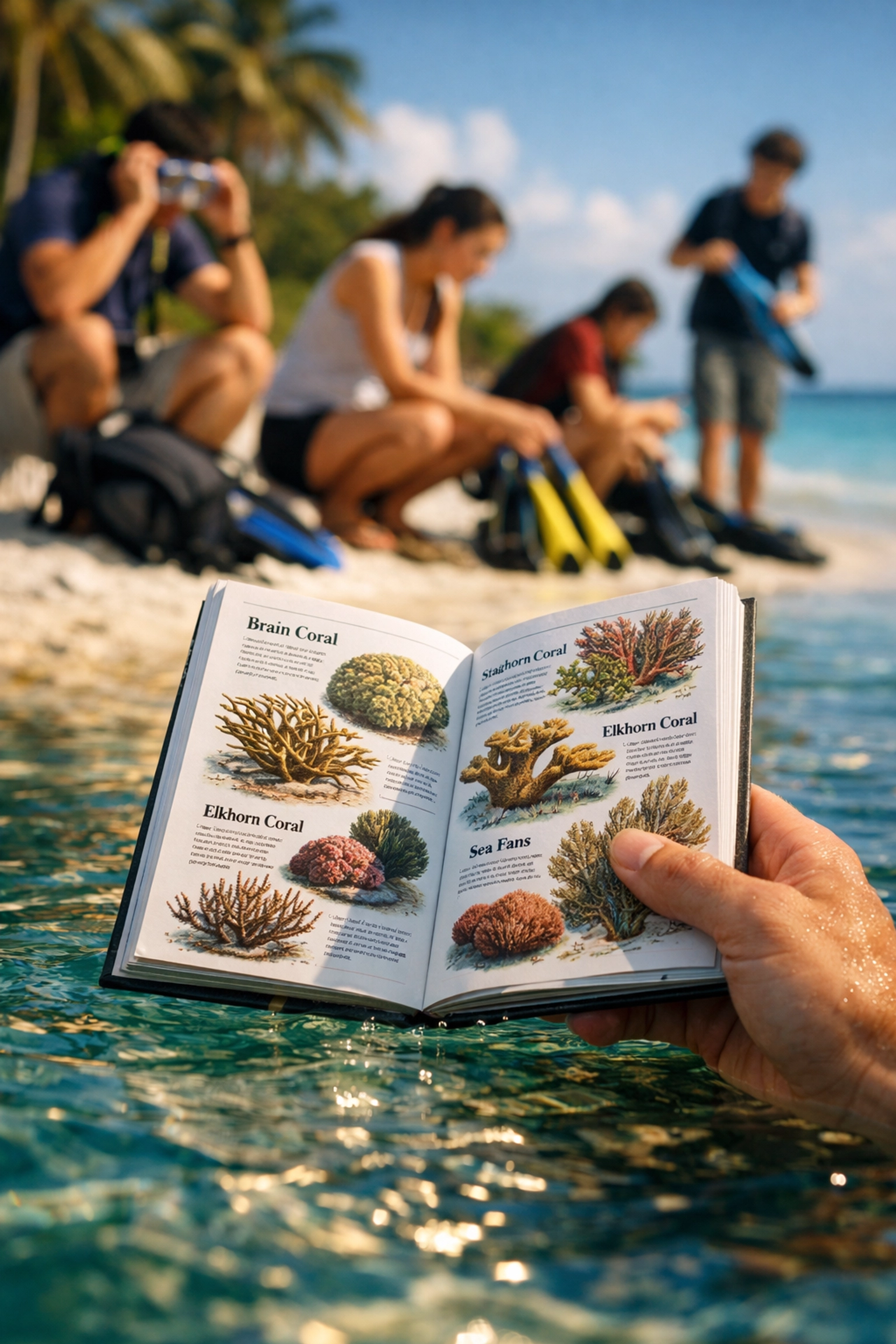
Sending students into the Florida Keys without prior knowledge of marine ecology is a missed opportunity. If the first time a student hears the term "ocean acidification" or "trophic cascade" is on the boat, they will spend the trip playing catch-up rather than engaging in critical thinking.
How to Fix It: Provide educational scaffolding at least four to six weeks before the trip. Assign readings, host virtual seminars, or integrate Keys-specific biology into your classroom curriculum. This preparation allows students to arrive on-site with a foundational knowledge base, enabling them to ask higher-level questions and perform more complex tasks. This model of preparation is similar to how we advise educators to prepare for Earth Science trips to Yellowstone.
7. Forgetting the Critical Component: Structured Reflection
The final and perhaps most common mistake is failing to provide a formal space for reflection. Service learning is defined by the cycle of action and reflection. Without the latter, the experience remains a series of disconnected activities rather than a transformative educational milestone.
How to Fix It: Schedule mandatory nightly reflection sessions. Use these sessions to connect the day’s labor to broader global issues, such as climate change and biodiversity loss. Ask students to journal about how their work in a specific reef patch impacts the global ocean health. This practice transforms a trip into a career-defining experience, much like the wildlife expeditions in Costa Rica.
Strategy for Success: A Checklist for Educators
To ensure your Florida Keys expedition meets the highest standards of safety and education, utilize the following checklist during your planning phase:
Objective Alignment: Does every service activity correlate to a specific state or national learning standard?
Safety Briefing: Have all participants been briefed on sun safety, water safety, and local wildlife hazards?
Data Integrity: Is the data your students are collecting being sent to a reputable conservation database?
Logistical Buffer: Have you accounted for U.S. 1 traffic and equipment setup times?
Equipment Audit: Does every student have the necessary field gear (reef-safe sunblock, water shoes, etc.)?
Conclusion: Elevating the Standard of Student Travel
The Florida Keys offer a rare opportunity to witness the frontline of conservation science. By avoiding these common pitfalls, you can move beyond the "field trip" mentality and provide your students with a professional-grade research expedition. The goal is to cultivate a sense of stewardship that students carry back to their own communities.
Whether you are navigating the intricate root systems of a mangrove forest or documenting the health of a coral nursery, remember that meticulous preparation is the key to a successful program. At Appleseed Expeditions, we specialize in bridging the gap between classroom education and field-based conservation. Our Florida Keys programs are designed with a "restoration-first" mentality, ensuring that every student makes a tangible impact while gaining invaluable scientific experience.
Ensuring the safety and academic growth of your students is a significant responsibility. By following a structured, risk-averse, and curriculum-focused approach, you can provide a life-changing experience that empowers the next generation of environmental leaders. Let’s make your next expedition to the Keys a benchmark for excellence in service learning.
Comments