


Why Hands-On Eelgrass Restoration Will Change the Way Your Students See the PNW
- Caleb Mullenix
- 1 day ago
- 5 min read

The Pacific Northwest (PNW) is often defined by its towering evergreens and snow-capped peaks, yet some of its most critical ecological work happens beneath the surface of the Salish Sea. For educators seeking to provide a transformative science experience, shifting the focus from the canopy to the coastline offers a unique opportunity. Specifically, participating in eelgrass restoration allows students to move beyond the role of a passive observer and into the role of a conservation scientist.
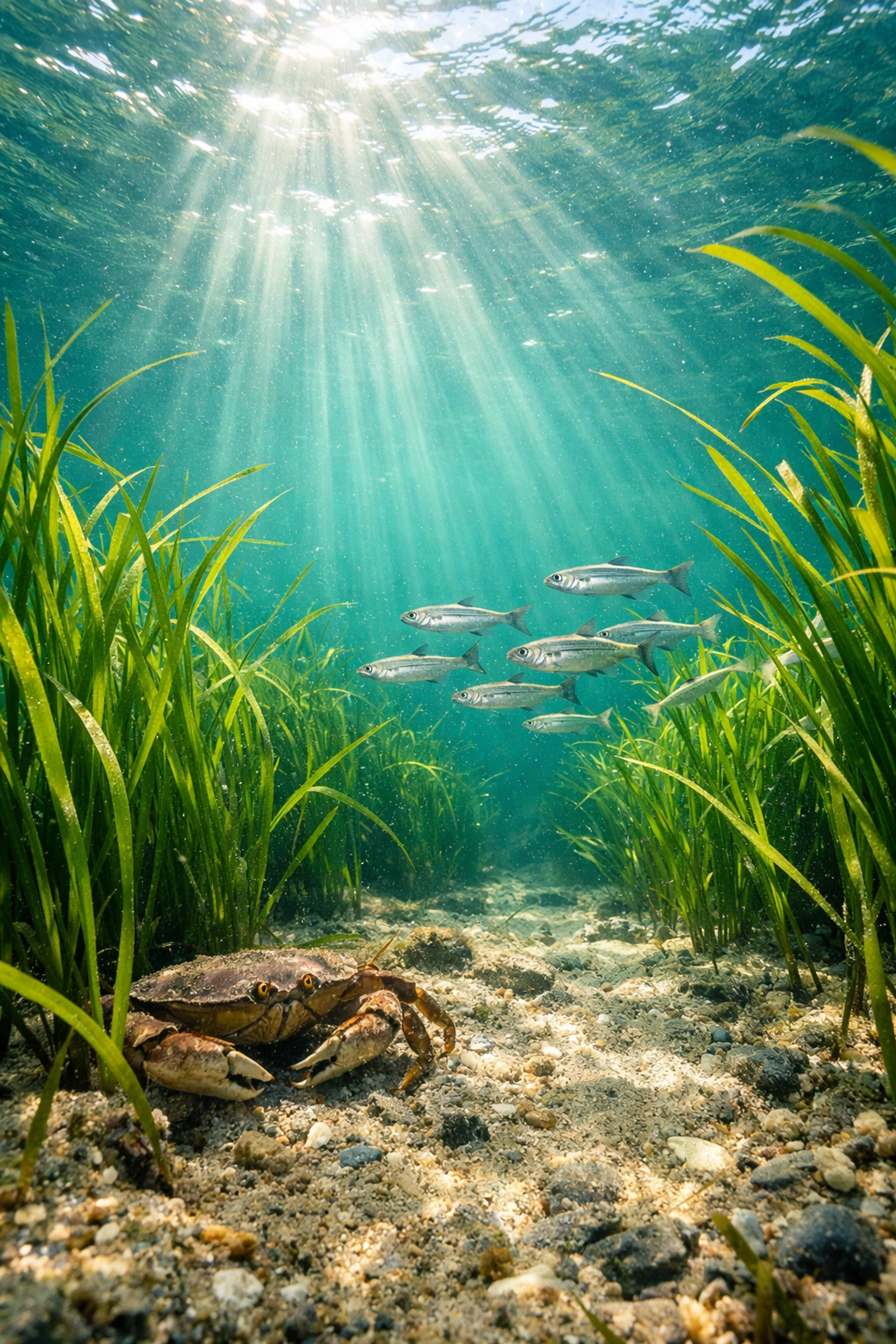
In the Pacific Northwest, eelgrass (Zostera marina) serves as a foundational species. Its health dictates the success of entire food webs, from juvenile salmon to the southern resident killer whales. By engaging in hands-on restoration, students gain a profound understanding of ecological interconnectedness, a perspective that cannot be replicated in a traditional classroom setting.
The Vital Role of Eelgrass in Marine Ecosystems
Before students step into the mud of a low-tide estuary, they must understand the stakes of their work. Eelgrass is not merely "seaweed"; it is a flowering marine plant that creates vast underwater meadows. These meadows provide several "ecosystem services" that are essential to the health of the PNW:
Carbon Sequestration: Often referred to as "Blue Carbon," eelgrass meadows are incredibly efficient at capturing and storing carbon dioxide, making them a front-line defense against climate change.
Nursery Habitat: Juvenile Chinook salmon and Dungeness crabs rely on the dense blades of eelgrass to hide from predators.
Water Filtration: The root systems stabilize the seafloor, while the blades trap sediment and excess nutrients, improving water clarity.
Food Source: It provides a direct food source for various waterfowl and indirect support for the entire marine food chain.
When students participate in restoration, they are not just planting grass; they are rebuilding the infrastructure of the ocean.
From Theory to Fieldwork: The Restoration Process
Providing students with a structured, step-by-step methodology is essential for a successful science expedition. At Appleseed Expeditions, we emphasize the importance of rigorous scientific protocols. During a PNW marine science trip, students may engage in several proven restoration techniques.
1. The Transplanting Method
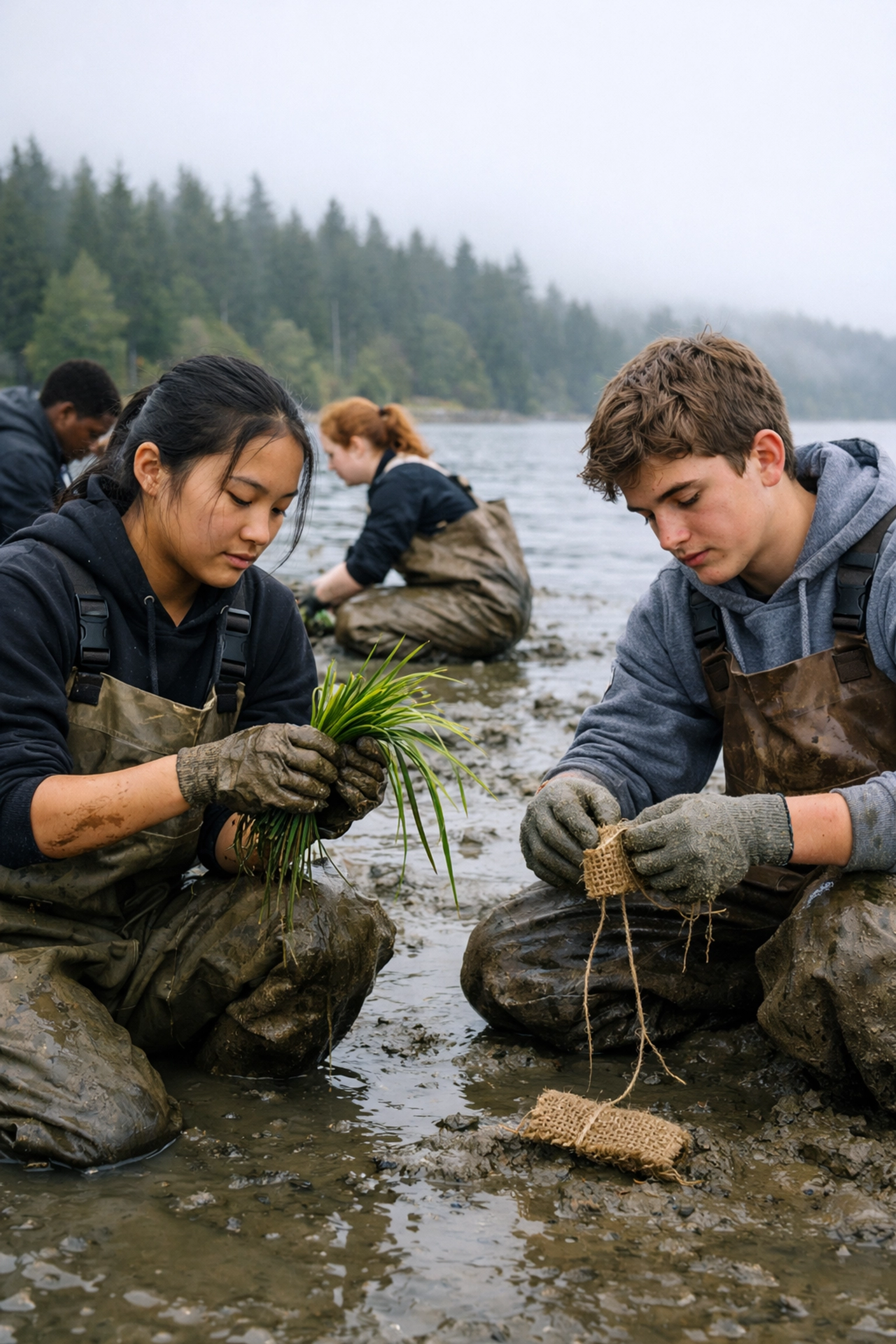
This is perhaps the most direct form of restoration. Working during low tide or via shallow-water diving, students learn to handle delicate eelgrass shoots.
Shoat Harvest: Students assist in collecting healthy shoots from "donor" beds, ensuring that the harvest is sustainable and does not damage the existing meadow.
Anchor Preparation: Each shoot must be attached to a biodegradable anchor, such as a small stone or a bamboo stake, using eco-friendly ties.
Substrate Planting: Students then plant these shoots into the muddy substrate at specific intervals, mimicking the natural density of a healthy meadow.
2. Seeding and Buoy Deployment
In deeper waters where manual planting is difficult, seeding becomes the preferred method. This involves:
Seed Collection: Harvesting the reproductive shoots of the eelgrass.
Processing: Separating the seeds from the plant material in a controlled environment.
Broadcasting: Students may use specialized seeding grids or "seed pearls" (seeds encased in nutrient-rich clay) to ensure the seeds reach the seafloor and have the best chance of germination.
3. Engineering with Wooden Grids
For more experimental restoration, students may help construct and deploy wooden grids. These structures hold seeded eelgrass in place against the pull of the tides. This task combines ecological science with basic engineering, requiring students to calculate tidal force and substrate stability.
For more information on how these technical skills translate to other marine environments, you can read about our ultimate guide to marine biology fieldwork.
Why Hands-On Learning Outperforms the Classroom
The "transformative" aspect of these trips lies in the shift of perspective. In a classroom, a student reads about the "decline of salmon populations." On a PNW expedition, that same student stands in the cold water of the Puget Sound, feeling the weight of the mud and the delicacy of a single eelgrass shoot.
Developing a Scientist’s Mindset
Hands-on restoration requires meticulous attention to detail. Students must monitor water temperature, salinity, and substrate composition. They learn that "science" is often a slow, repetitive process of trial and error. This builds resilience and an appreciation for the long-term nature of environmental conservation.
Fostering Environmental Stewardship
When a student spends several hours planting a grid, they develop a "sense of place." They are no longer visitors to the Pacific Northwest; they are stakeholders in its recovery. This emotional and intellectual investment often leads to a lifelong commitment to conservation. This is a core tenet of our programs, similar to what students experience during service learning in the Florida Keys mangroves.
Expanding the PNW Educational Horizon
While eelgrass restoration is a centerpiece of marine science, a comprehensive Pacific Northwest expedition should encompass the region's diverse biomes. This "ridge-to-reef" approach helps students see the connectivity between inland watersheds and coastal health.
Olympic National Forest and Rainforest Ecology
A visit to the Hoh Rain Forest or the Quinault area allows students to study northern rainforest ecology. Here, the focus shifts to nutrient cycling and the role of "nurse logs" in forest regeneration. Understanding how rainfall in the Olympic Mountains eventually flows into the estuaries helps students connect the health of the forest with the health of the eelgrass beds.
Earth Science at Mount Rainier
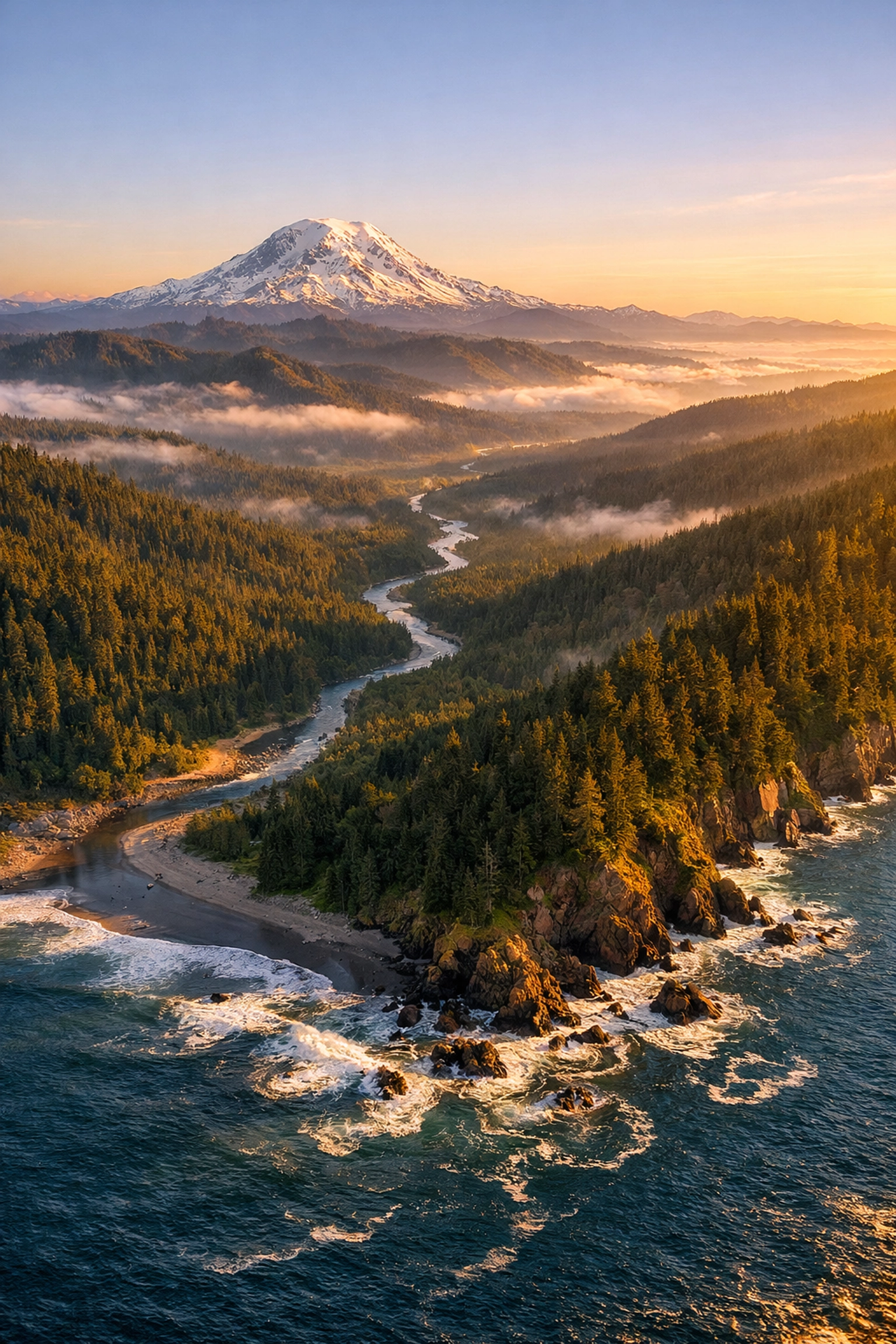
No study of the PNW is complete without acknowledging its volcanic history. Expeditions to Mount Rainier National Park allow students to study alpine forest transitions and glacial geology. Observing the "Ring of Fire" firsthand provides a dramatic contrast to the quiet work of coastal restoration, illustrating the geological forces that shaped the region’s coastline.
Community Impact at Farmers Frog
Integrating social responsibility with environmental science is a hallmark of an Appleseed trip. We often partner with organizations like Farmers Frog, where students can engage in sustainable agriculture and food security projects. This teaches them that conservation is not just about wildlife; it is about the communities that rely on a healthy planet.
Safety and Meticulous Planning: A Note for Educators
As an educator, the safety and supervision of your students are your primary responsibilities. Transitioning from a controlled classroom to a dynamic marine environment requires rigorous preparation.
Risk Assessment: Marine environments are subject to rapid weather changes and tidal shifts. Always work with experienced guides who have established safety protocols and emergency contingency plans.
Gear and Preparation: Ensure all students are equipped with appropriate cold-water gear, including waders, gloves, and waterproof layers. Hypothermia is a real risk in the PNW, even during summer months.
Instructional Supervision: Maintain a low student-to-guide ratio during restoration activities to ensure that both the scientific data collection and the safety of the students are managed effectively.
Permitting and Ethics: Restoration work is highly regulated. Ensure your expedition is partnered with recognized conservation groups that hold the necessary permits to move or plant marine vegetation.
Actionable Steps for Teachers
If you are considering a marine science expedition, start your planning at least 12 to 18 months in advance.
Define Learning Objectives: Are you focusing on biology, earth science, or environmental policy?
Coordinate with Curriculum: Ensure the fieldwork aligns with Next Generation Science Standards (NGSS) to maximize academic value.
Communicate Early: Share a detailed itinerary and safety plan with parents and administrators. Transparency builds trust and ensures high participation rates.
For those looking for a different ecosystem comparison, you might consider how the PNW differs from our marine science trips on the Emerald Coast.
Conclusion: Reaffirming Our Objectives
The goal of an educational expedition is to ignite a spark of curiosity and responsibility. By immersing students in the vital work of eelgrass restoration, we provide them with the tools to understand complex systems and the confidence to take action. Whether it is through the lens of kayaking with wildlife or the focused labor of planting a new meadow, the Pacific Northwest remains one of the world's greatest classrooms.
Ensuring the safety and enrichment of your students is our paramount concern. At Appleseed Expeditions, we specialize in creating these high-impact, science-driven experiences that leave a lasting impression on both the environment and the next generation of leaders.
Are you ready to transform your students' perspective? Let us help you plan a trip that prioritizes scientific integrity, student safety, and real-world impact. Together, we can restore the Salish Sea, one shoot at a time.
Comments