


Q&A: How can students participate in citizen science projects in Yellowstone?

Yellowstone National Park serves as one of the world's premier living laboratories. For educators looking to bridge the gap between classroom theory and real-world application, citizen science offers an unparalleled opportunity. By involving students in active research, we move beyond passive sightseeing and into the realm of meaningful conservation and high-level STEM education.
This guide addresses the most common questions regarding student involvement in Yellowstone’s citizen science initiatives and provides a structured framework for planning a research-focused expedition.
What is citizen science, and why is it important for students?
Citizen science is a collaborative process where members of the public: in this case, students and educators: participate in the collection and analysis of data for professional scientific research. In Yellowstone, these projects are primarily coordinated through the Yellowstone Citizen Science Initiative, a partnership between the National Park Service (NPS) and the non-profit organization Yellowstone Forever.
For students, the importance of this work cannot be overstated:
Authentic Research Experience: Students move from reading about the scientific method to practicing it in a high-stakes environment.
Stewardship Development: Contributing to the preservation of a national treasure fosters a lifelong commitment to conservation.
Data Literacy: Collecting field observations teaches students the importance of precision, accuracy, and rigorous documentation.
Support for Park Management: With over 2.2 million acres to monitor, park scientists rely on "crowdsourced" data to track long-term trends that would otherwise be impossible to document.
Which specific citizen science projects are available for school groups?
There are several ongoing initiatives within the park that are specifically designed to accommodate student groups. Participation typically requires advanced planning and, in many cases, coordination with professional guides or park rangers.
1. The Yellowstone Phenology Project
Phenology is the study of periodic plant and animal life cycle events and how these are influenced by seasonal and interannual variations in climate.
What students do: Record the timing of "firsts": the first budburst of a willow, the first sighting of a particular migratory bird, or the first flowering of alpine plants.
Scientific Value: This data helps researchers understand how climate change is affecting the timing of food availability for wildlife.
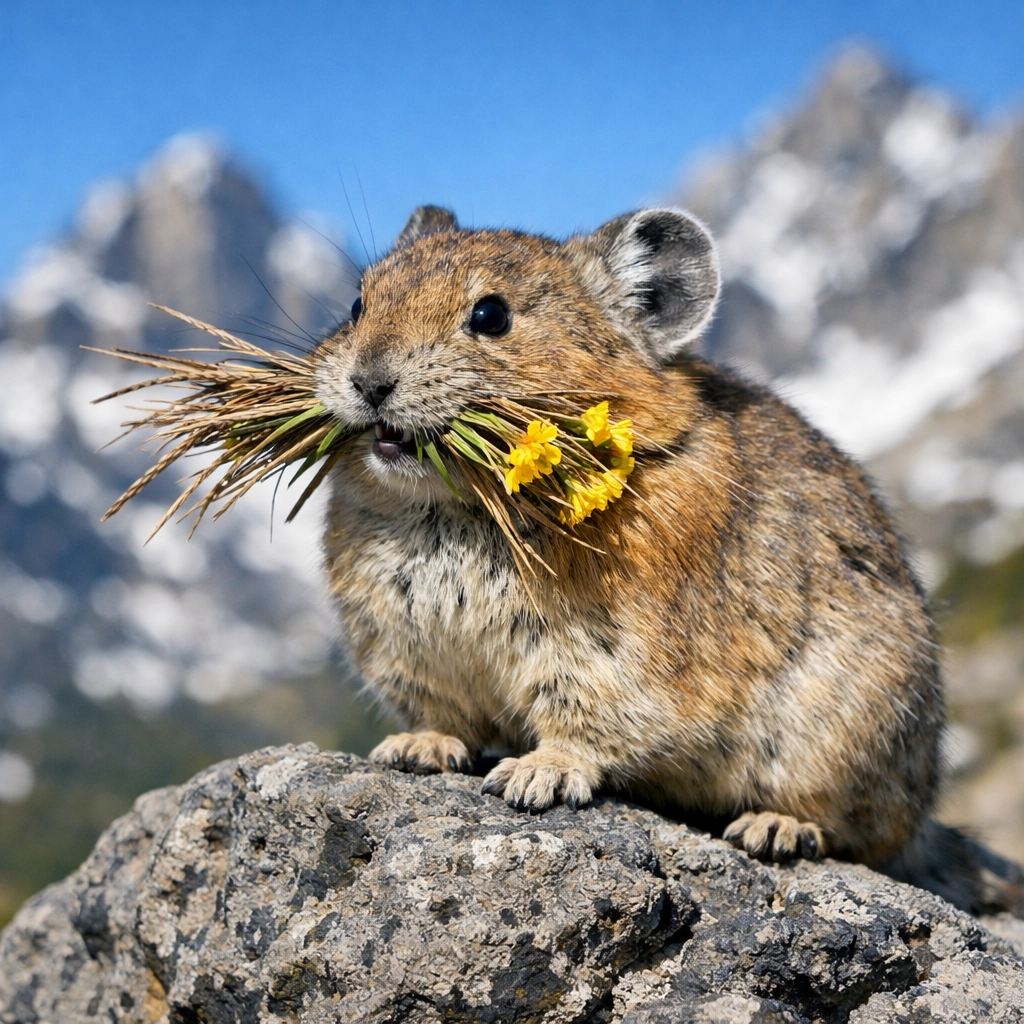
2. Pika Monitoring
The American Pika is a small mammal sensitive to high temperatures, making them a "canary in the coal mine" for climate change in alpine ecosystems.
What students do: Hike to talus slopes (rock slides) to document the presence or absence of pikas by listening for calls and looking for "haypiles" (stored vegetation).
Scientific Value: Tracking the occupancy of pikas at various elevations helps scientists map the shrinking habitat of cold-dependent species.
3. Northern Range Ungulate Research
Yellowstone is home to massive herds of bison and elk. Monitoring their health and movement is vital for ecosystem management.
What students do: Assist in documenting bison population dynamics, including diet selection observations and spatial occupancy patterns in the Lamar and Hayden Valleys.
Scientific Value: This data informs range management and helps scientists understand the carrying capacity of the park’s grasslands.
4. Invasive Weed Mapping
Invasive species can devastate native plant communities, which in turn affects the entire food web.
What students do: Use GPS units and mapping software to identify and record the locations of non-native plant species along trails and waterways.
Scientific Value: Accurate maps allow park crews to target their eradication efforts more effectively.
How can students contribute to wildlife documentation?
Wildlife monitoring is one of the most engaging ways for students to participate in science. Beyond the large-scale ungulate studies, students can contribute to specific avian and predator research.
Red-tailed Hawk Nest Monitoring: Students observe known nesting sites to record occupancy and the success of fledglings.
Wolf Documentation: While direct intervention in wolf research is restricted to professional biologists, students can contribute by submitting high-quality photographs and detailed observation logs of wolf behavior and locations to the park’s carnivore counts.
What digital tools and applications should students use?
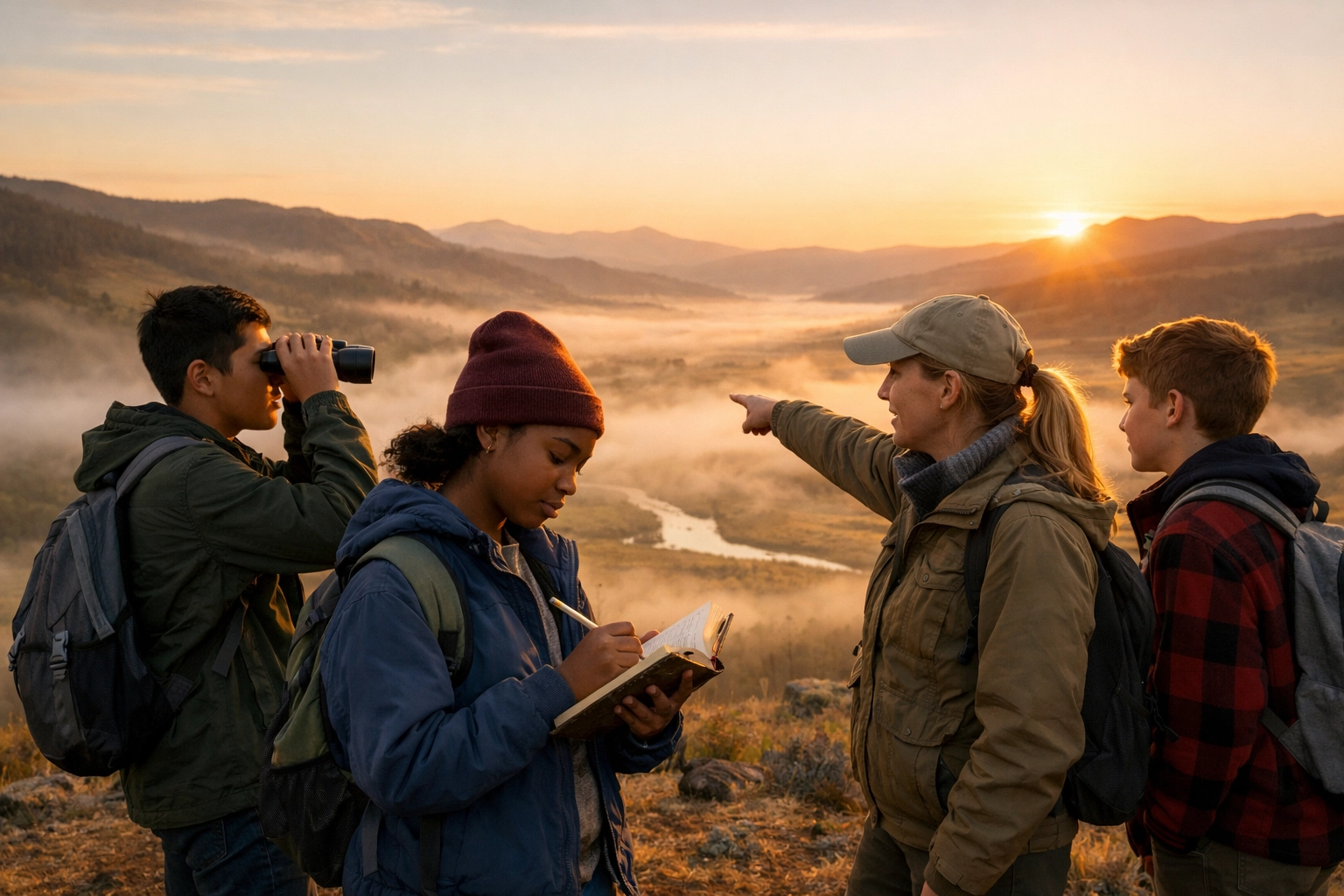
Technology plays a critical role in modern citizen science. Before arriving in the park, educators should ensure that students are trained on the following platforms:
iNaturalist: This is the primary tool for documenting biodiversity. Students can take photos of plants, insects, and animals, which are then geotagged and uploaded to a global database where experts verify the identification.
ROaDS (Road Observations and Data Stewardship) App: This specialized smartphone application is used to record wildlife sightings and interactions near park roads, helping managers mitigate human-wildlife conflict.
eBird: For groups focusing on ornithology, eBird is the gold standard for recording avian sightings and contributing to the Cornell Lab of Ornithology’s global data set.
How should teachers prepare students for field research?
Preparation is the key to a successful and safe expedition. Field research in a wilderness environment like Yellowstone requires a different mindset than a typical classroom lab.
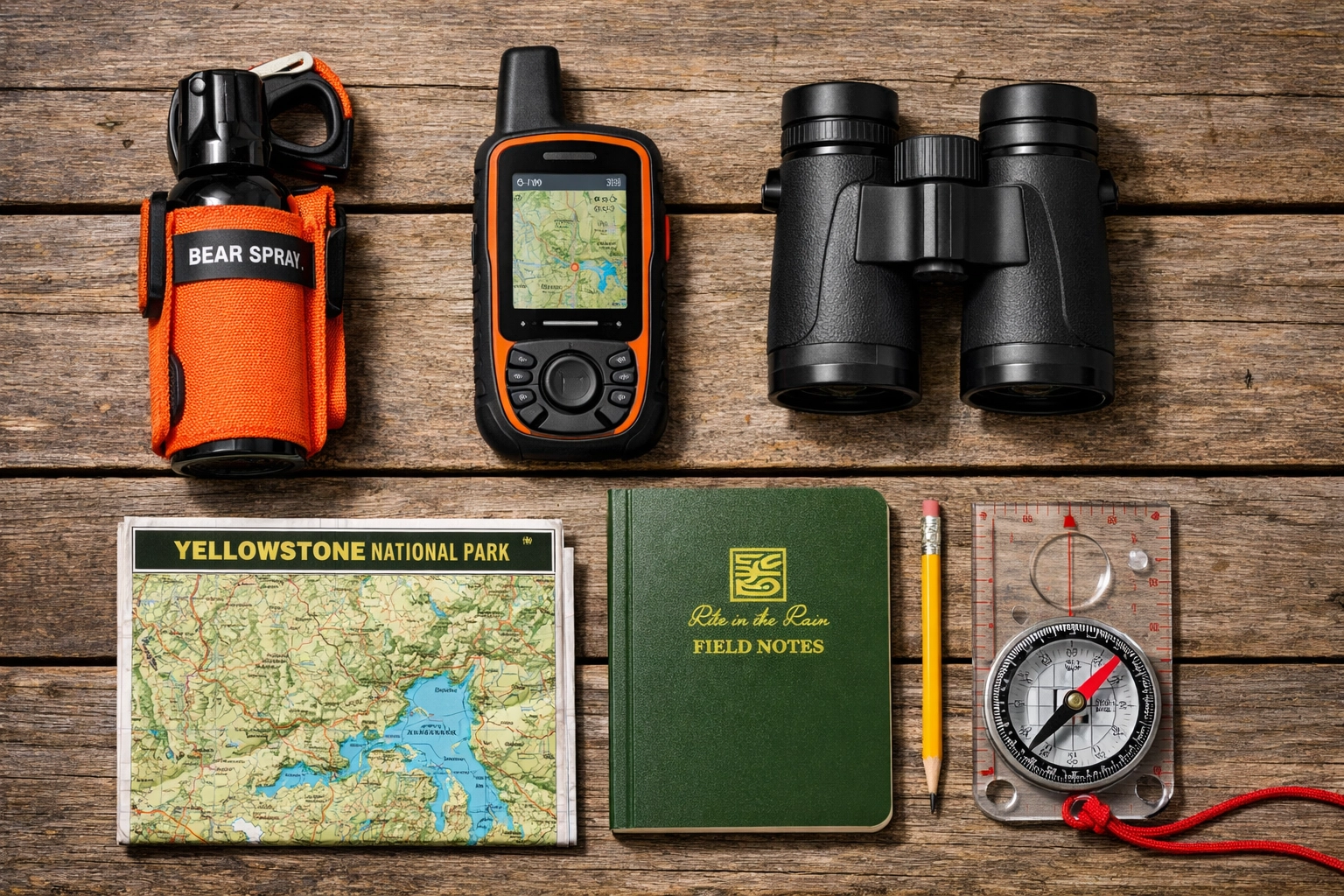
Standardize Protocols: Before leaving for the trip, practice data collection in your local schoolyard. Ensure every student understands how to use a compass, read a GPS, and record notes in a waterproof field journal.
Emphasize Accuracy Over Quantity: Instruct students that "zero data" (e.g., searching for a pika and not finding one) is just as scientifically valuable as a positive sighting. Inaccurate data is worse than no data.
Safety Training: Ensure students understand the "Seven Leave No Trace Principles" and the strict rules regarding wildlife distances (100 yards for bears/wolves, 25 yards for everything else).
For educators looking to maximize these opportunities, Appleseed Expeditions offers expertly guided educational travel to Yellowstone. Our programs are designed to integrate these citizen science projects into a seamless, safe, and rigorous itinerary, allowing teachers to focus on instruction while we handle the logistical complexities of park permits and field equipment.
What are the safety and logistical considerations?
Conducting science in the backcountry of Yellowstone involves inherent risks. Teachers must implement a strict safety and supervision plan:
Wildlife Vigilance: Every group must carry bear spray and know how to use it. Students must never be allowed to wander off alone during data collection.
Weather Preparedness: Yellowstone’s weather is unpredictable. Ensure every student has the "Ten Essentials" and high-quality layers. Hypothermia is a risk even in the summer months.
Permit Requirements: Some research activities require specific educational fee waivers or permits. It is imperative to check with the National Park Service well in advance of your trip.
Respect for the Resource: Students must be taught that the needs of the wildlife and the preservation of the landscape always take precedence over the collection of data.
Can students participate remotely?
Yes. Yellowstone Forever is increasingly developing ways for students to engage with park data before and after their visit.
Pre-Trip: Students can analyze historical data sets on wolf populations or hydrothermal activity to form hypotheses they will test during their visit.
Post-Trip: Once back in the classroom, students should compile their findings into a formal report or presentation, comparing their observations with professional data from previous years.
How does Yellowstone compare to other service-learning destinations?
While Yellowstone offers a deep dive into geology and wildlife biology, other regions provide different scientific focuses. For instance, you might consider how student field studies in Costa Rica help restore rainforests or explore marine biology and service learning in the Florida Keys. If your curriculum focuses on earth science and erosion, a Grand Canyon expedition provides a perfect geological counterpoint to Yellowstone's volcanic activity.
Final Thoughts for Educators
Incorporating citizen science into a Yellowstone expedition transforms a student trip into a professional development opportunity for young scientists. By participating in these projects, your students contribute to the body of knowledge required to protect one of the most complex ecosystems on Earth.
Ensure your students are prepared, vigilant, and inspired. By following rigorous scientific protocols and maintaining a high standard of safety, you can provide an experience that will define their academic careers.
If you are ready to plan a high-impact science expedition, contact Appleseed Expeditions to learn how we can facilitate these citizen science opportunities for your school group. Together, we can ensure that your students' visit to Yellowstone is both educationally profound and contributes to the long-term health of the park.

Comments