


The Echo of Service: How Yellowstone Conservation Shapes Future Leaders

Developing a student’s sense of purpose is a cornerstone of modern education. While classroom instruction provides the theoretical framework, experiential learning in a landscape as vast and complex as Yellowstone National Park offers a transformative platform for personal and professional growth. At Appleseed Expeditions, we believe that "Developing Purpose through Service" is not just a catchphrase; it is a pedagogical methodology that combines rigorous science with hands-on stewardship.
Ensuring that students transition from passive observers to active participants in conservation is of paramount importance. By engaging in service projects: such as trail maintenance and habitat restoration: and grounding those experiences in structured evening reflections, educators can help students discover their "why." This post explores how the synthesis of science and service in Yellowstone fosters the next generation of leaders.
The Psychology of Stewardship: From Tourist to Guardian
When students first enter Yellowstone, they often view it through the lens of a tourist, focused on the spectacle of geysers and megafauna. However, the shift toward a purpose-driven mindset begins the moment they pick up a tool or participate in a data collection project.
Service learning transforms the landscape from a backdrop into a responsibility. By contributing to the preservation of this ecosystem, students develop a sense of ownership. This internal shift is essential for leadership development. Educators should emphasize that their work contributes to a legacy that began in 1872, reinforcing the idea that they are now part of a century-long chain of stewardship.
Hands-On Service: The Physicality of Purpose
Purpose is often forged through challenge. Yellowstone’s rugged terrain provides the perfect environment for students to test their limits through physical labor. These projects are not merely chores; they are critical conservation efforts that maintain the integrity of the park’s infrastructure and biological health.
1. Trail Maintenance and Erosion Control
Trail work is a fundamental aspect of park conservation. Students learn the science of hydrology and soil erosion while physically clearing water bars or rehabilitating damaged paths.
Instructional Focus: Teachers should guide students to observe how human foot traffic impacts local flora.
Actionable Step: Encourage students to identify "social trails" (unauthorized paths) and discuss the long-term damage these cause to sensitive alpine meadows.
Leadership Outcome: This task teaches meticulousness and the importance of maintaining standards to ensure the safety of future visitors.
2. Habitat Restoration and Invasive Species Removal
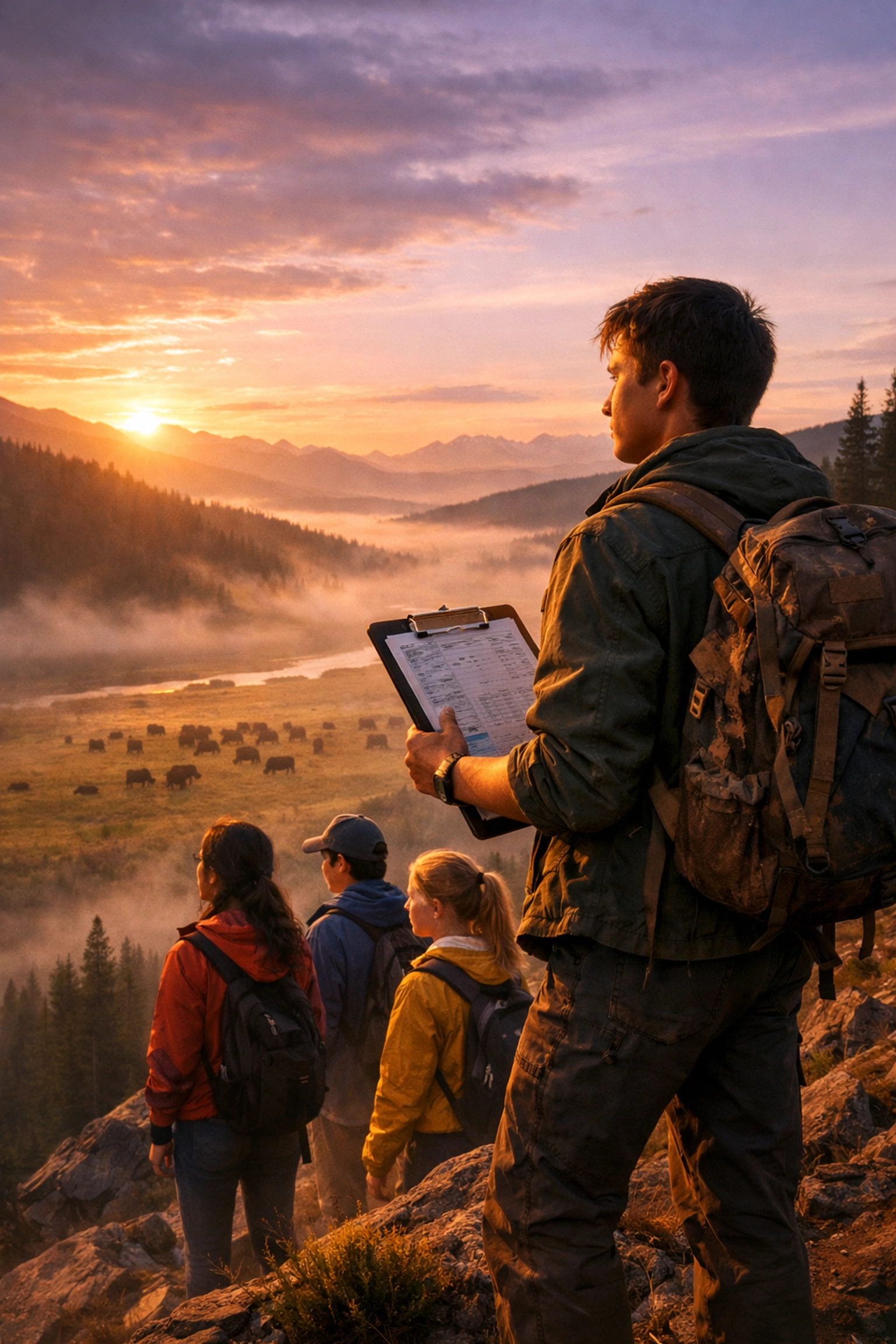
Restoring native habitats requires an understanding of botany and ecology. Students may spend hours removing invasive weeds that threaten the grazing grounds of elk and bison.
Scientific Integration: Use this time to discuss the Lamar Valley wildlife and how the removal of one invasive species can ripple through the entire food web.
Purpose Development: By seeing the immediate impact of their work: clearing a field for native grasses: students realize that their individual efforts have tangible, ecological consequences.
The Power of Evening Reflections: Turning Action into Insight
Service without reflection is simply labor. To truly develop a student's purpose, educators must implement a structured reflection process. The "Evening Circle" or debriefing session is where the day’s activities are synthesized into life lessons.
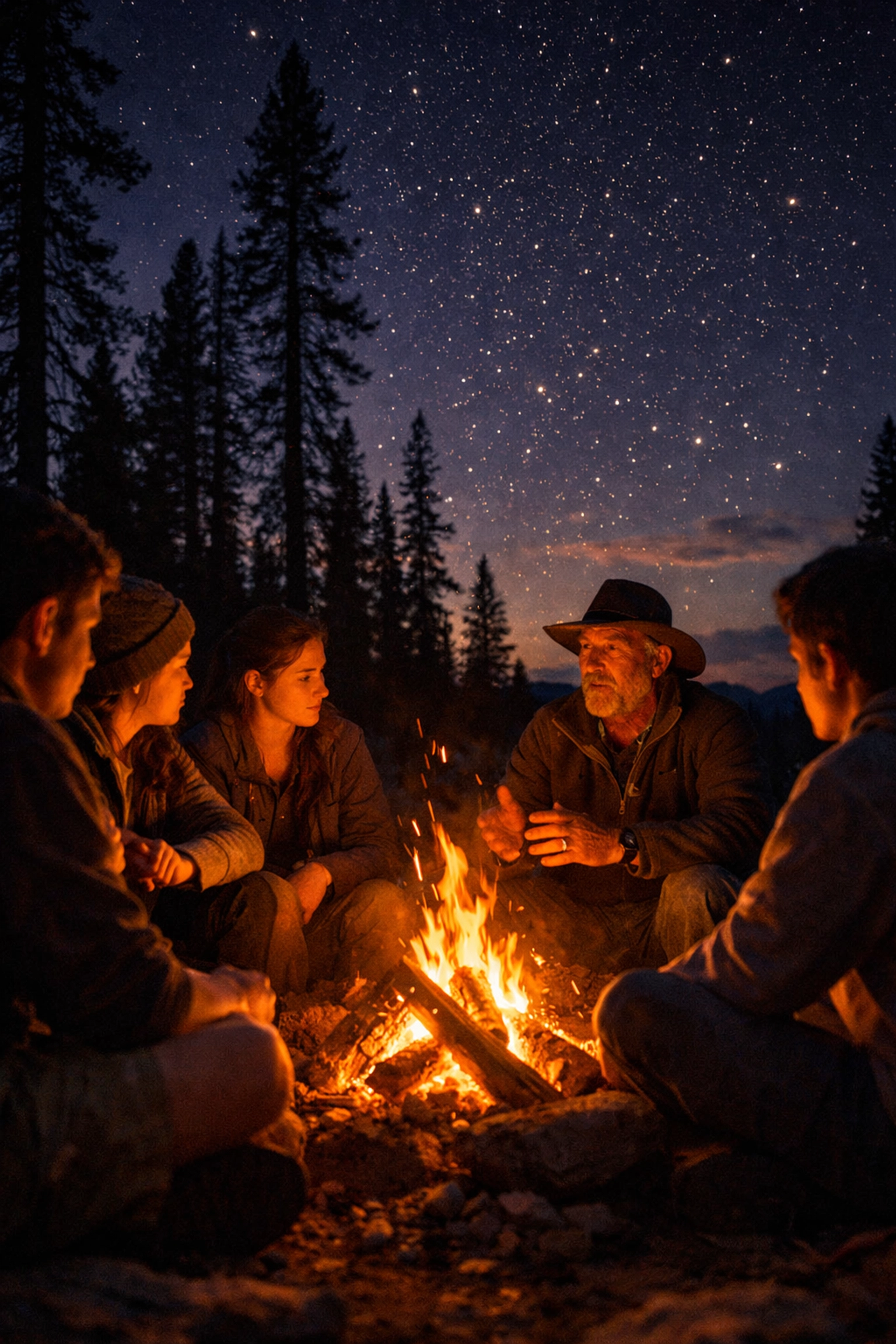
Implementing a Structured Reflection Model
To maximize learning opportunities, follow a "What? So What? Now What?" framework:
What?: What did we accomplish today? (e.g., "We cleared two miles of trail near the Grand Canyon of the Yellowstone.")
So What?: Why does this matter to the ecosystem or the community? (e.g., "This prevents sediment from entering the Yellowstone River, protecting trout spawning grounds.")
Now What?: How does this change how you view your role in your own community? (e.g., "I realized that small, consistent actions can prevent large-scale environmental degradation.")
These reflections allow students to connect their physical labor to larger global challenges, such as climate change and habitat loss. For more on the intersection of science and reflection, see our Q&A on citizen science opportunities in Yellowstone.
Collaborative Problem-Solving and Mentorship
Recent research, such as the Saving Yellowstone Conservation Summit, underscores the importance of collaborative research in developing leaders. When students work alongside experts on complex issues like wildlife migration or private land development, they see that conservation is not a solitary pursuit but a communal effort.
By participating in Yellowstone conservation student travel, students are exposed to integrated stewardship approaches. They learn that effective leadership requires blending rigorous science with cultural collaboration, including working with Indigenous communities who have stewarded this land for millennia.
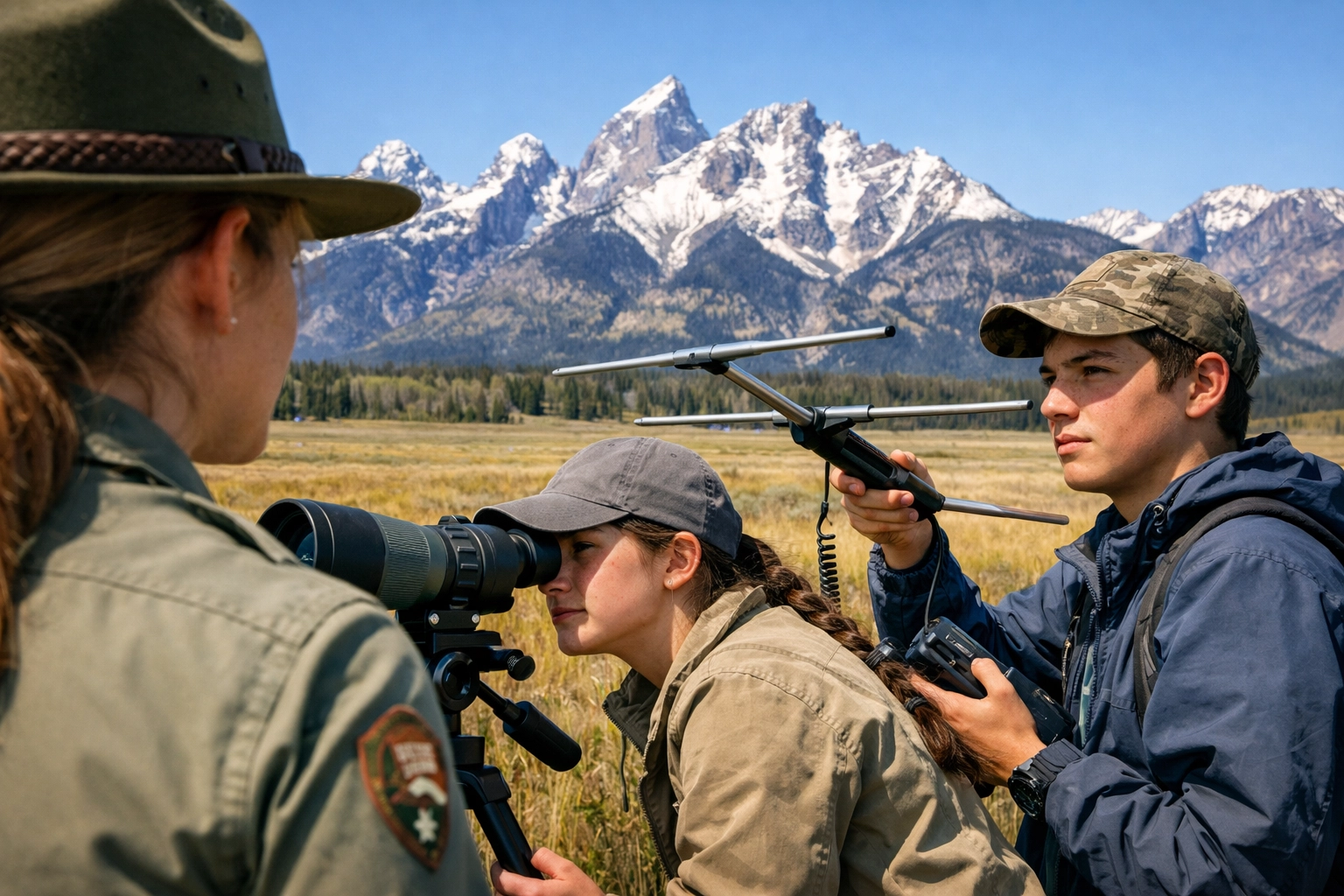
Proactive Leadership Tip: Advise students to interview park rangers or conservationists during their trip. Understanding the career path and the "purpose" of these professionals can serve as a powerful blueprint for their own futures.
Safety, Preparation, and Responsibility
A significant part of developing leadership and purpose is the cultivation of a risk-averse and meticulous mindset. In the wilderness, preparation is a form of respect: for the environment, for one's peers, and for oneself.
Pre-Trip Briefing: Ensure all students understand the safety protocols regarding wildlife encounters and thermal features.
Equipment Responsibility: Assign students "lead" roles for gear management. Taking care of tools and ensuring nothing is left behind (Leave No Trace) reinforces the discipline required in professional conservation roles.
Emergency Contingencies: Discussing emergency procedures isn't just about safety; it’s about teaching students to anticipate problems and act decisively: a key trait of any leader.
Why Choose Yellowstone for Purpose-Driven Travel?
While other destinations offer incredible science opportunities: such as marine science in the Florida Keys or sustainability in Costa Rica: Yellowstone provides a unique "landscape scale" classroom. The sheer size of the Greater Yellowstone Ecosystem forces students to think about conservation in terms of entire systems rather than isolated incidents.
When comparing a Yellowstone vs. Grand Canyon school trip, the focus in Yellowstone is often more heavily weighted toward active wildlife management and ecology, which provides a direct avenue for service-based learning.
A Call to Action for Educators
Preparing your students for the future involves more than just academic readiness; it requires the cultivation of character and a sense of duty toward the world around them. At Appleseed Expeditions, we specialize in creating these transformative experiences. Our Yellowstone science and service trips are designed to move students from the "me" to the "we," fostering a deep-seated purpose that they will carry back to their classrooms and communities.
Key Objectives Reaffirmed:
Ensure Safety: Meticulous preparation is the foundation of a successful expedition.
Prioritize Service: Hands-on labor is the catalyst for developing a steward’s heart.
Encourage Reflection: Use structured debriefs to transform work into wisdom.
By choosing a path of service in the wild heart of Yellowstone, you are not just taking a trip; you are launching a journey of self-discovery for your students. The echo of the work they do today: the trails they clear, the native species they protect, and the reflections they share: will resonate throughout their lives as they grow into the leaders our world desperately needs.
Ready to lead your students on a journey of purpose? Explore our Yellowstone Science & Service itineraries and discover how Appleseed Expeditions can help you upgrade your classroom to the great outdoors.

Comments